
Wart Removal
Warts are small skin growths that can appear on different areas of the body, including the hands, fingers, feet, knees and other parts of the skin. They are usually harmless, but they can become uncomfortable, painful, persistent or embarrassing depending on their size and location.
At Well Life Clinic, we provide private wart assessment and wart removal in a medical setting. Your clinician will examine the wart, confirm whether treatment is suitable and explain the most appropriate option based on its type, position and appearance.
What Are Warts?
Warts are common skin growths caused by certain types of human papillomavirus, also known as HPV. They can affect people of all ages and may spread through direct skin contact or contact with contaminated surfaces. Warts and verrucas are common, and many people have them at some point in their life.
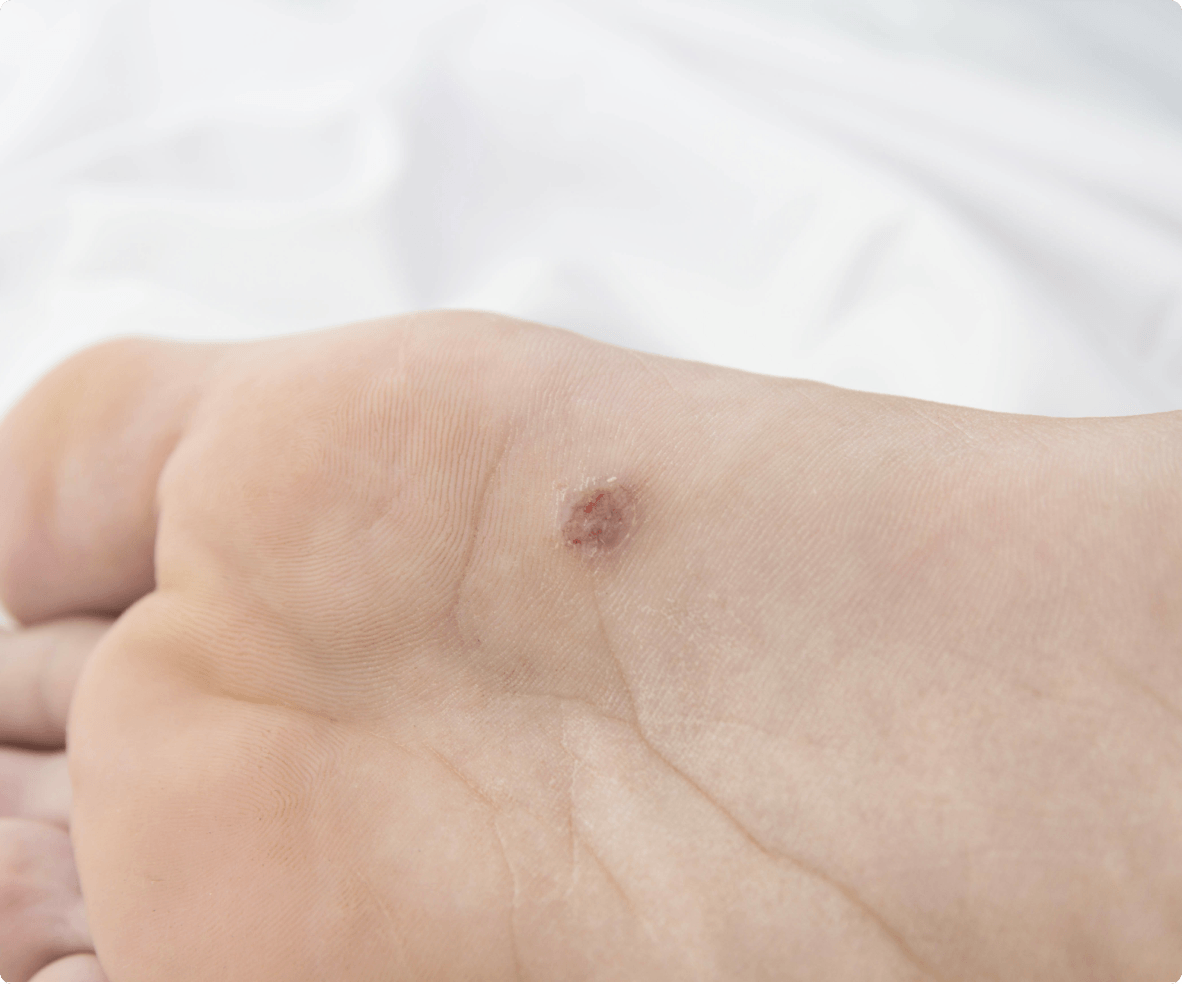
Warts can look different depending on where they appear. Some are rough and raised, while others are flatter or develop on pressure areas such as the soles of the feet. A wart on the sole of the foot is often called a verruca.
Why You May Want Wart Removal
Many warts clear without treatment over time, but this can take months or longer. Some warts become painful, spread, catch on clothing or affect confidence. Verrucas can be particularly uncomfortable because they may be pressed into the skin when walking.
Wart removal may be suitable if you have:
- A wart that is painful or uncomfortable
- A wart that has not improved with pharmacy treatment
- A wart that is spreading or increasing in number
- A verruca that hurts when walking
- A wart that catches, rubs or becomes irritated
- A visible wart affecting confidence
- A wart on the hand, finger, foot or other exposed area
- A skin growth you are unsure about
At Well Life Clinic, the first step is a proper assessment to make sure the growth is a wart and not another type of skin lesion.
Assessment Before Wart Removal
Not every skin growth is a wart. Some moles, skin tags, corns or other lesions may look similar, so medical assessment is important before treatment. This is especially important if the growth has changed, bleeds, looks unusual or does not respond to standard treatment.
During your appointment, your clinician will ask how long the wart has been present, whether it causes pain, whether it has spread and whether you have tried any previous treatments. They will then examine the area and advise on the safest next step.
Types of Warts We Can Assess
Warts can appear in different forms. The treatment approach may depend on the type, size, thickness and location of the wart.
Common types include:
- Common warts on the hands or fingers
- Verrucas on the soles of the feet
- Flat warts
- Rough or raised warts
- Warts around nails
- Persistent or recurring warts
This page refers to non-genital warts. Genital warts should be assessed and treated through an appropriate sexual health service or specialist clinic. The NHS advises that genital warts can be treated at a sexual health or GUM clinic.
How Wart Removal Works
The most suitable wart removal method depends on the wart and your skin. Some warts may be treated with topical medication, freezing, minor surgical techniques or referral for specialist care, depending on clinical assessment and availability.
Your clinician at Well Life Clinic will explain which option may be appropriate for you. In some cases, more than one treatment session may be needed, especially for stubborn or long-standing warts.
The aim is to treat the wart safely while reducing discomfort, irritation and the chance of unnecessary damage to surrounding skin.
Verruca Treatment
A verruca is a wart that develops on the sole of the foot. It may feel like a small, rough area of skin and can sometimes be painful when standing or walking. Verrucas are caused by HPV and may be more noticeable because body weight presses them into the skin.
Treatment may be considered if the verruca is painful, spreading or affecting daily activity. Your clinician can assess the area and explain whether treatment or monitoring is more suitable.
What Happens During Your Appointment?
Your appointment will usually begin with a consultation and skin assessment. The clinician will review the wart, ask about symptoms and discuss any previous treatments you have tried.
If treatment is suitable, the area may be prepared and treated using the most appropriate method. You will be told what to expect during treatment, whether more sessions may be needed and how to care for the area afterwards.
At Well Life Clinic, your clinician will also explain possible side effects, such as soreness, blistering, temporary skin colour change or scarring, depending on the treatment used.
Aftercare Following Wart Removal
After wart removal, the treated area may feel tender for a short time. You may be advised to keep the area clean, avoid picking or scratching, and protect it from friction while it heals.
If the wart is on the foot, you may need to avoid pressure on the area for a short period depending on the treatment used. Your clinician will give you specific aftercare instructions before you leave.
You should contact the clinic if you notice increasing pain, swelling, redness, discharge, bleeding or any concern about healing.
Can Warts Come Back?
Warts can sometimes return after treatment because the virus may remain in nearby skin. Some people are also more prone to developing warts than others. Good aftercare and avoiding picking or scratching the area may help reduce the chance of spreading.
If a wart returns, your clinician can reassess it and discuss whether further treatment is appropriate.
Testimonials
Find Your Nearest Well Life Clinic
Choose your preferred clinic location and get in touch with our team directly to book an appointment or make an enquiry.


 CALL NOW