
Mole Removal
Moles are common skin growths that can appear anywhere on the body. Many are harmless, but some people choose to have a mole assessed or removed because it has changed, catches on clothing, causes irritation or affects confidence.
At Well Life Clinic, we provide private mole assessment and mole removal with a careful, doctor-led approach. Before any removal is planned, your clinician will review the mole, discuss your symptoms or concerns and advise whether removal is suitable.
Why You May Want a Mole Removed
There are different reasons why someone may consider mole removal. Some moles are raised and become irritated by shaving, jewellery or clothing. Others may be in a visible area and cause cosmetic concern. In some cases, a mole may need medical assessment because it has changed in size, shape, colour or texture.
A mole removal appointment may be suitable if you have:
- A mole that catches on clothing
- A raised mole that becomes irritated
- A mole affected by shaving
- A mole that causes discomfort
- A mole that has changed appearance
- A mole that bleeds, itches or crusts
- A visible mole that affects confidence
- A mole your doctor has advised you to check
A new mole or a change in an existing mole should be assessed carefully, as this can sometimes be a sign of melanoma skin cancer. Normal moles usually stay similar over time, while concerning moles may change in size, shape or colour.
Mole Assessment Before Removal
At Well Life Clinic, mole removal starts with an assessment. This is important because not every mole should be removed in the same way. Some moles can be removed for comfort or cosmetic reasons, while others may need further investigation.
Your clinician will ask about when the mole appeared, whether it has changed, whether it causes symptoms and whether you have any personal or family history of skin cancer. They may also examine the mole closely and advise whether removal, monitoring or referral is the most appropriate next step.
Signs That a Mole Should Be Checked
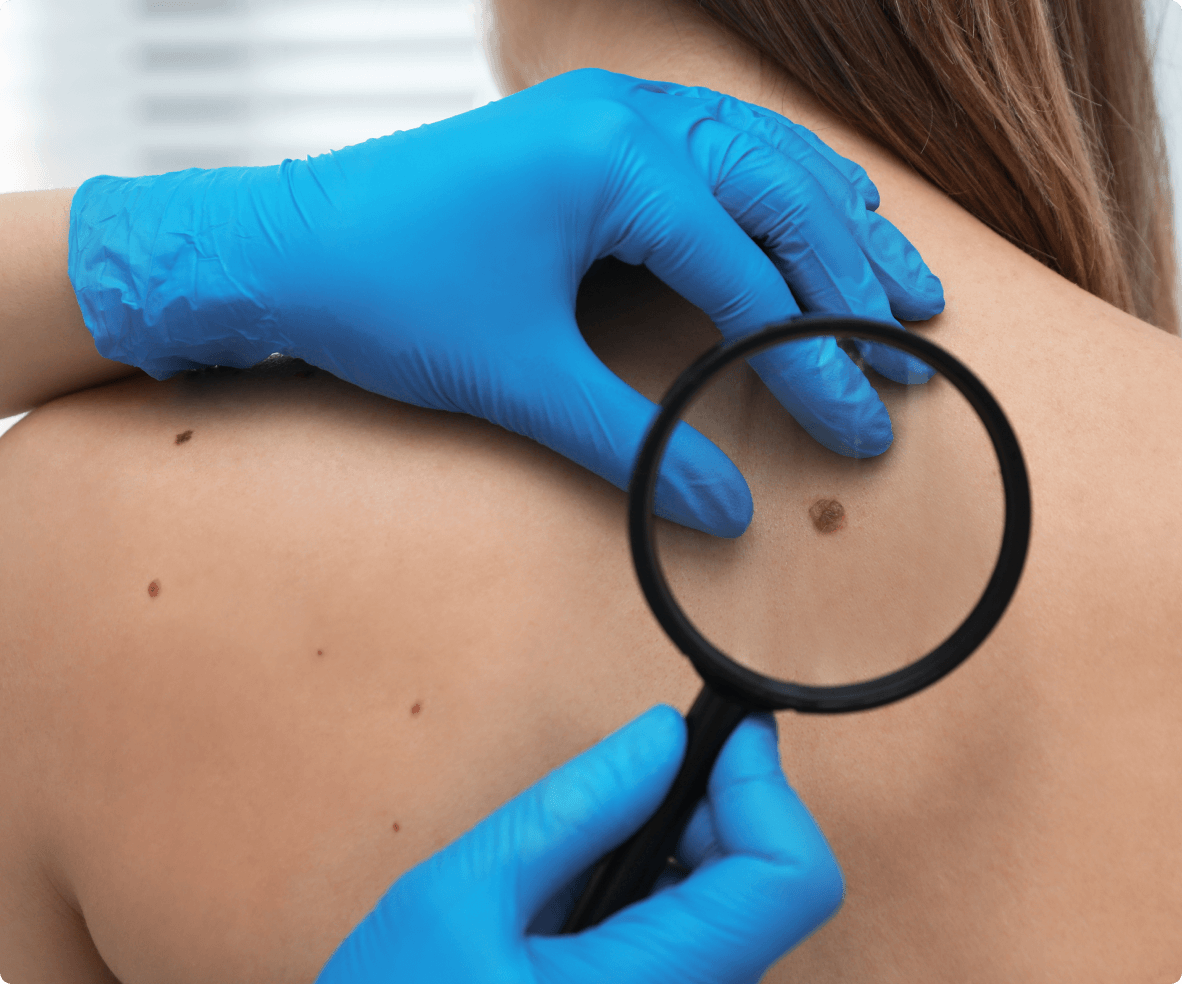
It is sensible to get a mole checked if it looks different from your other moles or if it has changed over time. Warning signs may include asymmetry, an uneven border, multiple colours, a larger diameter or ongoing change. The NHS describes these as important features to look for when checking moles.
You should also seek medical advice if a mole becomes painful, itchy, inflamed, crusted or starts to bleed. These symptoms do not always mean cancer, but they should be reviewed properly rather than ignored.
How Mole Removal Works
The best mole removal method depends on the type, size, depth and location of the mole, as well as whether there are any medical concerns. Your clinician will explain the most suitable approach after assessing the mole.
Mole removal may involve removing the mole under local anaesthetic, which numbs the area so the procedure is more comfortable. Depending on the mole, it may be removed by excision or another suitable minor surgical technique. If stitches are needed, your clinician will explain how they should be cared for and when they may need to be removed.
At Well Life Clinic, the aim is to remove the mole safely while giving clear advice about healing, scarring and aftercare.
Histology and Laboratory Testing
If there is any medical reason to examine the mole further, the removed tissue may be sent to a laboratory for histology. Histology means the sample is checked under a microscope to look at the cells in more detail.
This can be important if the mole has changed, looks unusual or needs confirmation of diagnosis. If histology is recommended, your clinician will explain why it is needed, what the results may show and how you will receive your results.
The NHS notes that when melanoma is suspected, a mole may be removed and sent to a laboratory to check for cancer cells.
What Happens During Your Appointment?
Your appointment will usually begin with a consultation and skin assessment. The clinician will review the mole and discuss your concerns, medical history and expectations. If mole removal is suitable, the procedure may be explained in detail, including the technique, aftercare, possible scarring and whether laboratory testing is recommended.
If the mole can be removed during the same visit, the area will usually be cleaned and numbed with local anaesthetic. The mole is then removed using the appropriate technique. A dressing may be applied, and you will be given aftercare instructions before leaving the clinic.
Will Mole Removal Leave a Scar?
Any procedure that removes skin can leave a scar. The final appearance depends on the mole size, location, removal method, skin type, healing pattern and aftercare. Some scars fade well over time, while others may remain more visible.
Your clinician at Well Life Clinic will explain what type of scar you may expect before treatment. Careful technique and good wound care can help support healing, but it is important to have realistic expectations.
Aftercare Following Mole Removal
After mole removal, you will be advised how to care for the area while it heals. This may include keeping the wound clean and dry, changing dressings, avoiding unnecessary friction and protecting the area from sun exposure.
If stitches are used, you will be told when they need to be removed. You should contact the clinic if you notice increasing redness, swelling, pain, discharge, bleeding or any concern about healing.
Cosmetic and Medical Mole Removal
Some patients request mole removal for cosmetic reasons, especially when the mole is on the face, neck or another visible area. Others need removal because the mole is irritated, changing or clinically concerning.
At Well Life Clinic, both cosmetic and medical concerns are taken seriously. The clinician will explain whether removal is appropriate and whether the mole should be tested after removal.
Testimonials
Find Your Nearest Well Life Clinic
Choose your preferred clinic location and get in touch with our team directly to book an appointment or make an enquiry.



 CALL NOW