
Skin Tag Removal
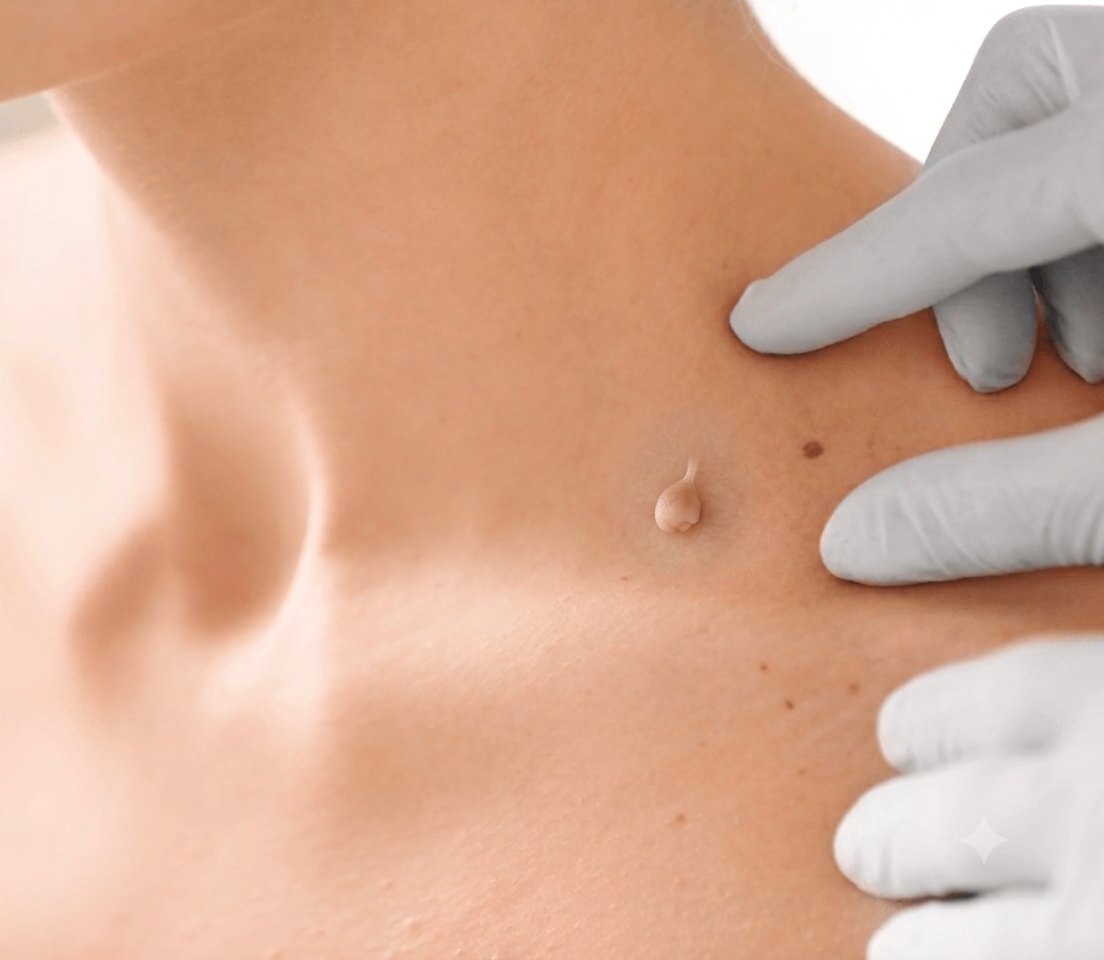
Skin tags are small, soft growths that commonly appear on areas where the skin folds or rubs together. They are usually harmless, but they can become uncomfortable if they catch on clothing, jewellery or during shaving. Some people also choose to remove skin tags because of how they look or where they are positioned. The NHS describes skin tags as very common and usually small and harmless.
At Well Life Clinic, we provide private skin tag assessment and removal in a medical setting. Your clinician will examine the area, confirm whether the growth appears to be a skin tag and advise whether removal is suitable.
What Are Skin Tags?
A skin tag is a small piece of soft skin that may hang slightly from the surface. Skin tags can vary in size and colour. Some are tiny and barely noticeable, while others may become larger or more prominent over time.
They are often found on the neck, underarms, eyelids, groin, under the breasts or other areas where the skin naturally creases. Skin tags are not usually painful, but they can become sore, irritated or inflamed if they are repeatedly rubbed.
Why You May Want Skin Tag Removal
Many skin tags do not need treatment. However, removal may be considered if a skin tag is causing irritation, bleeding, discomfort or cosmetic concern. Some patients also want skin tags removed because they are in a visible area or because they keep catching on clothing.
Skin tag removal may be suitable if you have:
- A skin tag that catches on clothing or jewellery
- A skin tag irritated by shaving
- A skin tag that rubs against the skin
- A skin tag that becomes sore or inflamed
- A visible skin tag affecting confidence
- Multiple skin tags in one area
- A skin growth you are unsure about
- A skin tag that has changed or started bleeding
At Well Life Clinic, the first step is always proper assessment before treatment.
Assessment Before Removal
It is important to confirm that the growth is a skin tag before removing it. Other skin lesions, such as moles, warts or other growths, can sometimes look similar. If a skin lesion has changed, is bleeding, has an unusual colour or does not look typical, it may need further assessment before any removal is considered.
During your consultation, your clinician will ask how long the skin tag has been present, whether it has changed and whether it causes symptoms. They will also examine the area and explain the most appropriate next step.
How Skin Tag Removal Works
The most suitable removal method depends on the size, location and number of skin tags being treated. Your clinician will explain the available options during your appointment and recommend the safest approach for your skin.
Skin tag removal may involve a minor procedure under local anaesthetic, especially if the skin tag is larger or in a sensitive area. Smaller skin tags may be treated using other suitable methods depending on clinical assessment. The procedure is usually quick, and you will be given aftercare advice before you leave.
At Well Life Clinic, treatment is carried out carefully with attention to safety, comfort and cosmetic outcome.
Can Skin Tags Be Removed at Home?
It is not recommended to cut, burn or tie off skin tags yourself. Home removal can lead to bleeding, infection, scarring or incomplete removal. There is also a risk of treating the wrong type of skin lesion without medical assessment.
The American Academy of Dermatology advises seeing a clinician because some growths can be mistaken for skin tags, including warts or skin cancers. This is why a doctor-led assessment is an important part of safe treatment.
Will Skin Tag Removal Leave a Scar?
Any treatment that removes or affects the skin can leave a small mark or scar. The final result depends on the size and location of the skin tag, the removal method, your skin type and how the area heals.
The NHS notes that removing skin tags can sometimes cause scarring or darker skin pigmentation, particularly on black or brown skin. Your clinician at Well Life Clinic will explain what to expect before treatment so you can make an informed decision.
What Happens During Your Appointment?
Your appointment will usually begin with a consultation and skin assessment. The clinician will review the skin tag, discuss your concerns and explain whether removal is appropriate.
If treatment is suitable, the area may be cleaned and numbed if needed. The skin tag will then be removed using the most appropriate technique. A small dressing may be applied, and you will receive aftercare instructions.
Aftercare Following Skin Tag Removal
After skin tag removal, the treated area should be kept clean and protected while it heals. You may be advised to avoid rubbing, scratching or applying harsh products to the area for a short time.
You should contact the clinic if you notice increasing redness, swelling, pain, discharge, bleeding or any concern about healing. Most treated areas heal well, but aftercare is important to reduce irritation and support recovery.
Testimonials
Find Your Nearest Well Life Clinic
Choose your preferred clinic location and get in touch with our team directly to book an appointment or make an enquiry.



 CALL NOW