
Cyst Removal
Skin cysts are common lumps that can develop just under the skin. They are often harmless and may not need treatment, but some cysts can become uncomfortable, infected, painful or noticeable enough to affect daily life. The NHS notes that skin cysts are usually harmless and often do not need treatment, but removal may be considered if a cyst is large, painful or causing difficulty.
At Well Life Clinic, we provide private cyst assessment and cyst removal in a medical setting. Your clinician will examine the cyst, discuss your symptoms and advise whether removal is suitable.
What is a Skin Cyst?
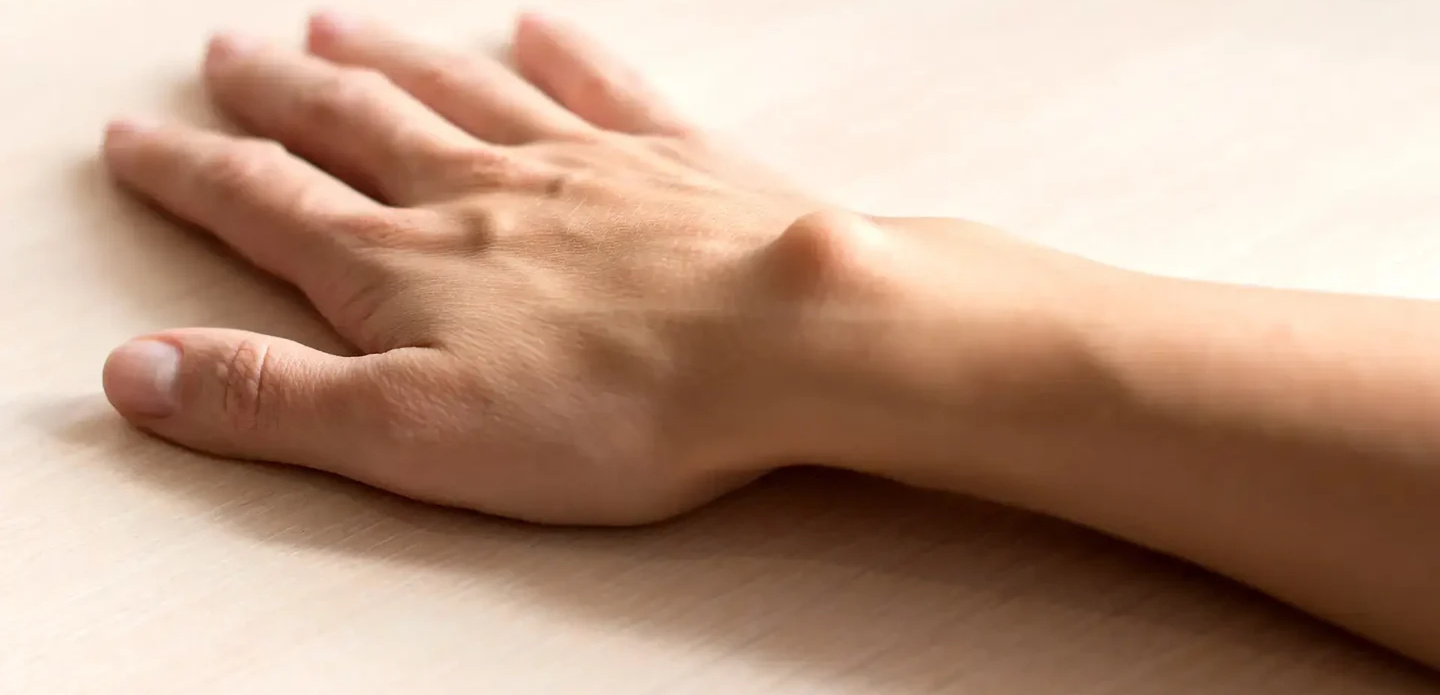
A skin cyst is a small sac-like lump under the skin. It may feel smooth, round and firm, and it can slowly grow over time. Some cysts stay small and cause no problems, while others become inflamed, tender or irritated.
Many cysts are known as epidermoid or pilar cysts. These are sometimes called sebaceous cysts, although this term is not always medically accurate. The British Association of Dermatologists explains that epidermoid cysts are lined by cells from the outer layer of the skin, while pilar cysts commonly occur on the scalp.
When to Consider an ADHD Assessment
Not every cyst needs to be removed. However, removal may be considered when a cyst causes symptoms, keeps becoming inflamed or affects confidence because of its size or location.
Cyst removal may be suitable if you have:
- A cyst that is painful or tender
- A cyst that is growing or becoming more noticeable
- A cyst that keeps becoming inflamed
- A cyst on a visible area such as the face, neck or scalp
- A cyst that has previously become infected
- A cyst causing pressure or discomfort
- A lump that catches on clothing
- A lump you are unsure about and would like assessed
At Well Life Clinic, the first step is a careful assessment to confirm what the lump is and whether removal is appropriate.
Assessment Before Cyst Removal
A cyst should be assessed before removal because not all skin lumps are the same. Some lumps may look like cysts but may need a different type of treatment or further investigation.
During your appointment, your clinician will ask how long the cyst has been present, whether it has changed, whether it has ever become red, painful or infected, and whether it has discharged any fluid. They will also examine the area and explain the most suitable next step.
If the cyst looks unusual or there is uncertainty about the diagnosis, your clinician may recommend further assessment, referral or histology after removal.
How Cyst Removal Works
Cyst removal is usually carried out as a minor surgical procedure under local anaesthetic. This means the area is numbed while you remain awake. The clinician will usually make a small incision in the skin and remove the cyst carefully.
Where possible, the aim is to remove the cyst sac as well as the cyst contents. This is important because cysts may return if the cyst wall is left behind. Your clinician will explain the technique, expected healing time and possible scar before the procedure.
At Well Life Clinic, cyst removal is carried out with attention to safety, comfort and clear aftercare.
What Happens During Your Appointment?

Your appointment will usually begin with a consultation and skin assessment. The clinician will review the cyst, discuss your medical history and explain whether removal is suitable.
If cyst removal is appropriate, the area will be cleaned and numbed with local anaesthetic. The cyst is then removed using a minor surgical technique. Stitches may be used depending on the size and location of the cyst. A dressing will usually be applied, and you will be given instructions on how to care for the wound.
Infected or Inflamed Cysts
A cyst that is red, hot, swollen, painful or discharging may be inflamed or infected. In some cases, an infected cyst may need treatment before it can be removed safely. This may include antibiotics, drainage or a period of waiting until inflammation settles.
Removing a cyst while it is actively inflamed can sometimes increase the risk of complications or make complete removal more difficult. Your clinician will advise on the safest timing and treatment plan after assessing the cyst.
Histology and Laboratory Testing
In some cases, the removed cyst may be sent to a laboratory for histology. Histology checks the tissue under a microscope to confirm the diagnosis and rule out anything unexpected.
Your clinician will explain if histology is recommended and how you will receive the result. This is especially useful if the lump has changed, looks unusual or needs confirmation after removal.
Will Cyst Removal Leave a Scar?
Any procedure that cuts the skin can leave a scar. The size and appearance of the scar depend on the cyst size, location, skin type, surgical method and how the wound heals.
Your clinician at Well Life Clinic will explain what kind of scar you may expect before treatment. Good wound care and sun protection can help support healing, but it is important to have realistic expectations.
Aftercare Following Cyst Removal
After cyst removal, you will be advised how to look after the treated area. This may include keeping the wound clean and dry, changing dressings, avoiding unnecessary pressure or friction and returning for stitch removal if needed.
You should contact the clinic if you notice increasing redness, swelling, pain, bleeding, discharge, fever or any concern about healing. Clear aftercare is an important part of reducing the risk of infection and supporting recovery.
Testimonials
Find Your Nearest Well Life Clinic
Choose your preferred clinic location and get in touch with our team directly to book an appointment or make an enquiry.



 CALL NOW