People like HydraFacial because it makes their skin look completely new in just one visit, without the harsh recovery that some resurfacing treatments need. It is not marketed as a "pampering facial," but as a session that focuses on the most common reasons why skin looks tired: buildup, congestion, dehydration, and uneven surface texture.
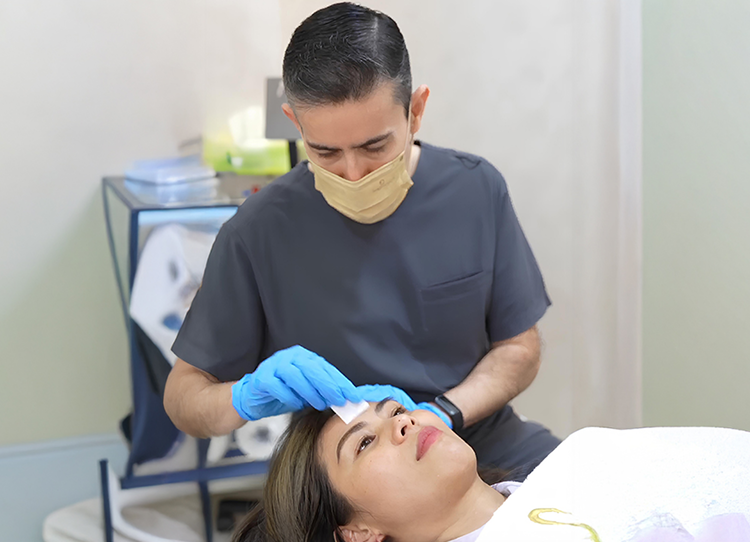
Dr. Ahmad Othman at Derma One Aesthetic Center is careful not to damage the skin barrier, so the skin looks healthy and polished instead of tired.
A lot of facials are very hands-on. HydraFacial is more organized and consistent because it uses a single methodical protocol to combine deep cleansing with controlled exfoliation, extractions, and hydration support.
Patients who have trouble with blackheads, rough skin, or a dull complexion even when they use good skin care at home often choose this.
Most patients say the result is "cleaner skin" instead of a big change. Your skin may look brighter right away, and it usually feels smoother because less buildup on the surface. If you were worried about congestion, the improvement usually shows up clearly around the nose and T-zone.
The skin also looks more even because hydration is restored during the same visit. The results may continue to improve over the next 24 to 48 hours as the skin settles and the hydration levels stabilize.
If you want to see results but don't want to have to take time off or peel, HydraFacial is usually a good choice. People often book it for skin that is congested, has blackheads, looks dull, is dry, feels rough, or looks "tired" and doesn't respond enough to skincare alone. If your skin is currently inflamed or very sensitive, the plan can be changed, or you may be told to calm it down first for a better and safer result.
You can use HydraFacial once a month to keep your skin hydrated and your pores clear, or you can use it before an event to get a polished look. As long as the timing is right so that the barrier stays stable, it can also be part of a bigger plan that includes treatments like chemical peels or microneedling.
HydraFacial is great for improving clarity, glow, and texture, but if you have more serious problems like deep acne scars or stubborn pigmentation, you may need more targeted treatments. Dr. Ahmad Othman can plan these as part of the same overall strategy.
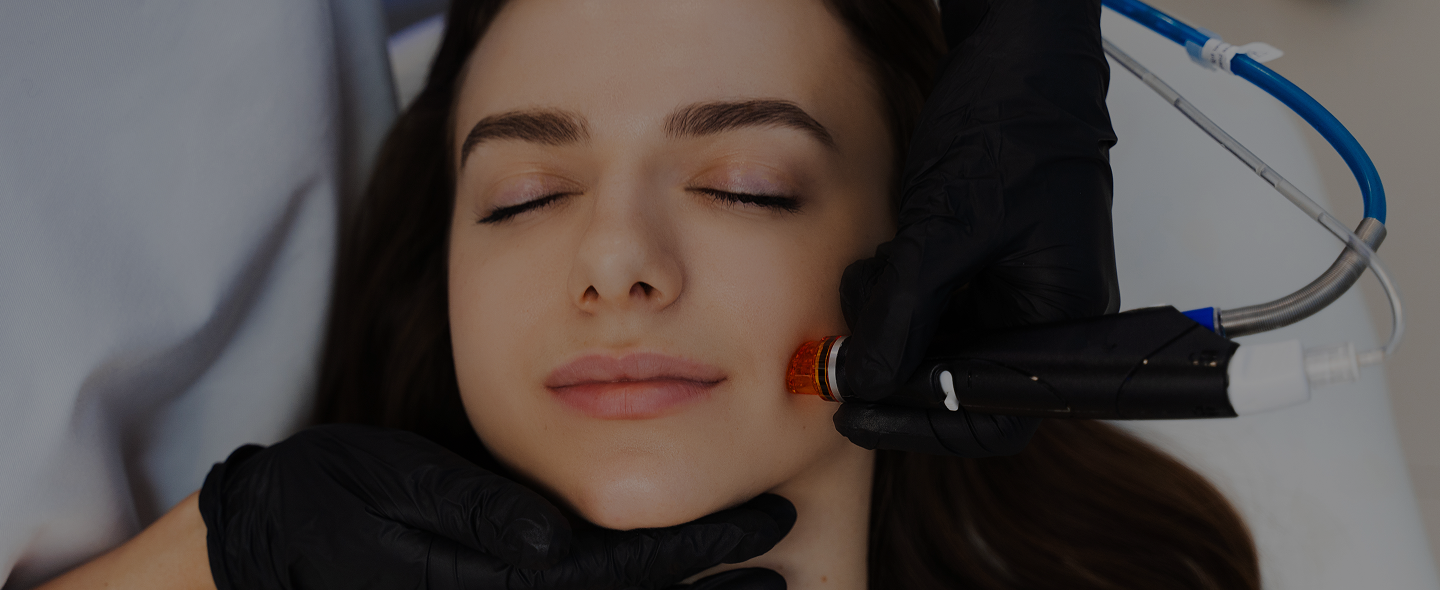
HydraFacial is generally comfortable and does not require downtime. The sensation is usually a mild suction and light exfoliation feel, followed by hydration steps that make the skin feel softer and calmer.
To give you a clear picture of what happens during the visit, the session typically includes:

Deep cleansing and gentle resurfacing to lift dead skin and reduce dullness
Pore clearing/extractions to address congestion and blackheads
Hydration and serum infusion to restore comfort and enhance glow
Your skin doesn't usually need a lot of complicated aftercare, but it does need steps that are good for the barrier for the rest of the day. Dr. Ahmad Othman at Derma One Aesthetic Center will give you advice based on your skin type. In general, though, he will tell you to keep your skincare gentle and make sure you protect your skin from the sun so that it stays calm and the results stay polished.
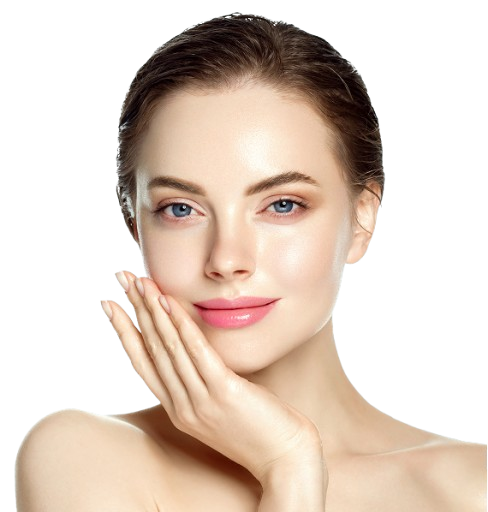
The skin should look naturally healthy after a HydraFacial, not irritated or shiny in a way that doesn't look right. Dr. Ahmad Othman at Derma One Aesthetic Center focuses on balanced intensity, skin safety, and smart sequencing to give you a clear, glowing look that looks good in any light.