
Regeneration, guided by your own biology.
Platelet-rich plasma is what PRP stands for. In real life, it means taking a small blood sample, concentrating the platelets, and then putting that concentrate back into certain tissues.
People often choose PRP because it feels “clean” as an idea. It doesn’t try to change your features; it just tries to make the tissue work better. When the goal is to slowly and naturally improve tissue quality and promote subtle regeneration, Dr. Kevin Haddad uses PRP.
Platelets do more than just help blood clot. They send out signals that help tissues heal and grow back. The goal of putting PRP into the skin or scalp is to help the tissue environment become healthier over time.
This can improve things like the texture and strength of the skin, as well as the quality and calibre of the hair in some cases. Because of this, PRP is not often a treatment that works right away. Changes usually happen over time, and they often look like “healthier tissue” instead of a cosmetic layer.
PRP is not a one-size treatment. The same PRP can be underwhelming in the wrong area and impressive in the right one. A good plan starts by identifying whether your concern is mainly about skin quality, early thinning, recovery support, or a combination.
Dr. Kevin Haddad focuses on selecting the correct target zone and the correct delivery method, because PRP works best when it’s used with a clear purpose, not as a generic “boost”.

When the goal is to support tissue and slowly improve it rather than make immediate structural changes, PRP usually works best. Dr. Kevin Haddad usually thinks about PRP when:
If your main concern needs a lot of lifting, a lot of volume replacement, or a big change in shape, another treatment might make more sense. PRP shouldn’t be forced into the wrong role.
The outcome of PRP is frequently contingent upon its uniform and accurate distribution. The goal is to cover the chosen area consistently while using a method that is gentle on the tissue.
PRP can be given in different ways, such as through fine injections, a microchannel approach, or a combination of the two. Dr. Kevin Haddad puts a lot of thought into where and how much coverage to use to avoid uneven results and make sure the final effect looks smooth and natural.
PRP improvements tend to show up in layers. Some patients notice early changes in skin comfort, hydration feel, or overall freshness. More meaningful improvements in texture and “skin tone behaviour” typically appear later, as the tissue response builds.
For scalp protocols, judging too early is a common mistake. Hair and scalp changes move on a slower timeline, so assessment should be based on steady progress, not day-to-day fluctuations.
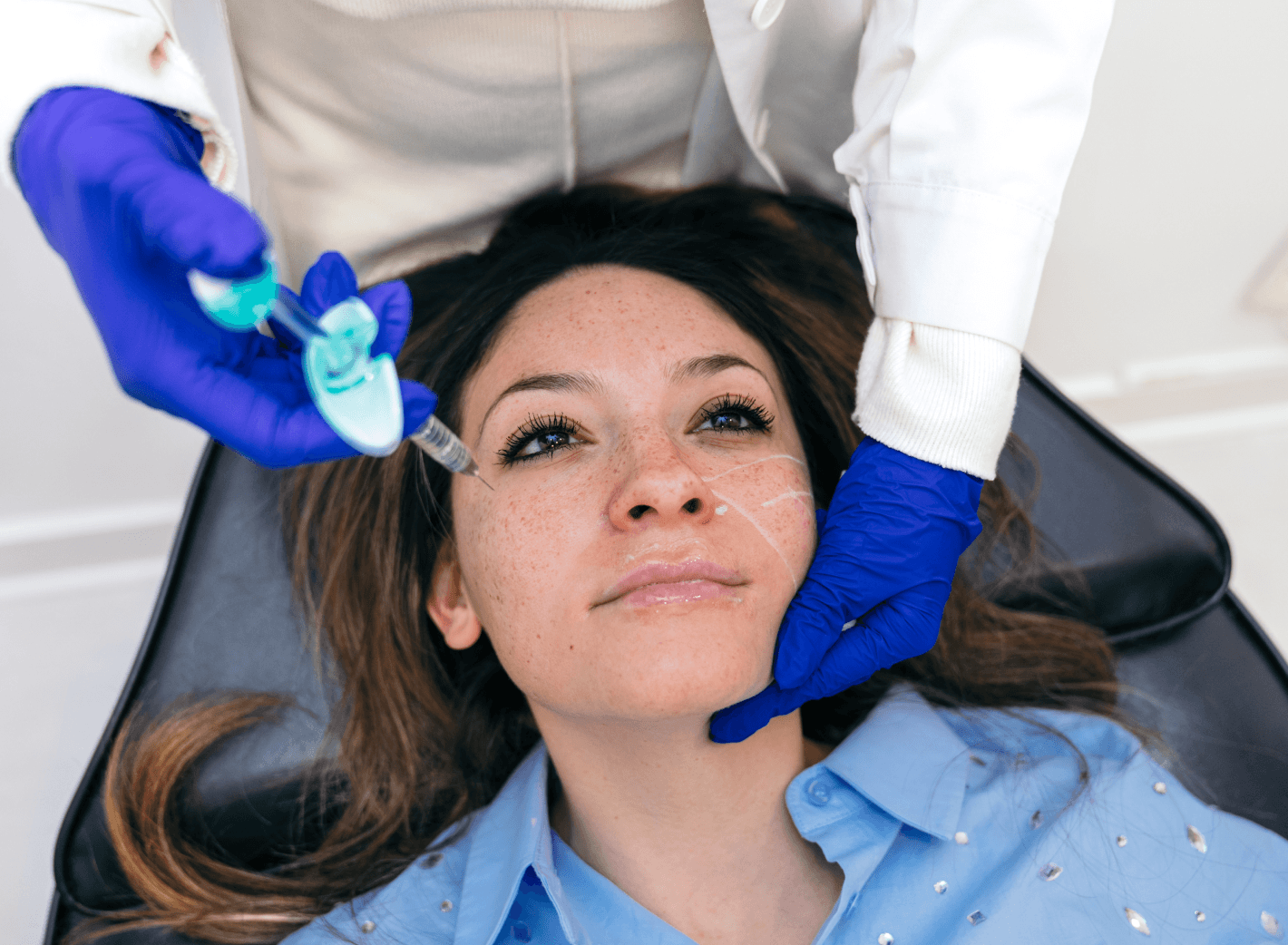
A PRP session follows a set order: drawing blood, processing it, and then carefully putting it in the right place. The planning that goes into the procedure is important, even though it usually goes quickly. Different areas feel different things.
The scalp can feel sharper, but the face is usually more comfortable, especially if you take the right steps to make it so. Dr. Kevin Haddad keeps the session structured and conservative so that the treatment works without making recovery harder than it needs to be.
For the first one to two days, the goal is to keep the area stable and avoid any irritation that could be avoided. Most of the time, Dr. Kevin Haddad’s advice is useful and to the point:
A calm early phase helps the outcome look cleaner and lowers the risk of redness or irritation lasting longer.