
Your shape, rebalanced
Dr. Kevin Haddad wants to do a mommy makeover to make the breasts, stomach, and waistline look good together instead of as separate parts.
After giving birth, the body can change in many ways. Skin may stay stretched. The way fat is stored can change. The middle of the abdominal wall can lose its support. The skin envelope has grown and then relaxed, which can make the breasts lose volume, drop, or feel less firm.
Sometimes, even when you do everything right, you still don’t get back to the shape you know. A Mommy Makeover focuses on changes to the body that exercise and diet don’t always fix.
Some women want their stomach back more than anything else. Some people care more about getting their breasts back in shape and making bras more comfortable. A lot of people want both, but at different levels. You will get the best results if you make it clear what your top priority is: a flatter stomach, a tighter waistline, lifted breasts, restored volume, or a balanced improvement across all of them.
Dr. Kevin Haddad plans the order and methods based on your body type and your goal, so the final look fits your body and doesn’t look too big.
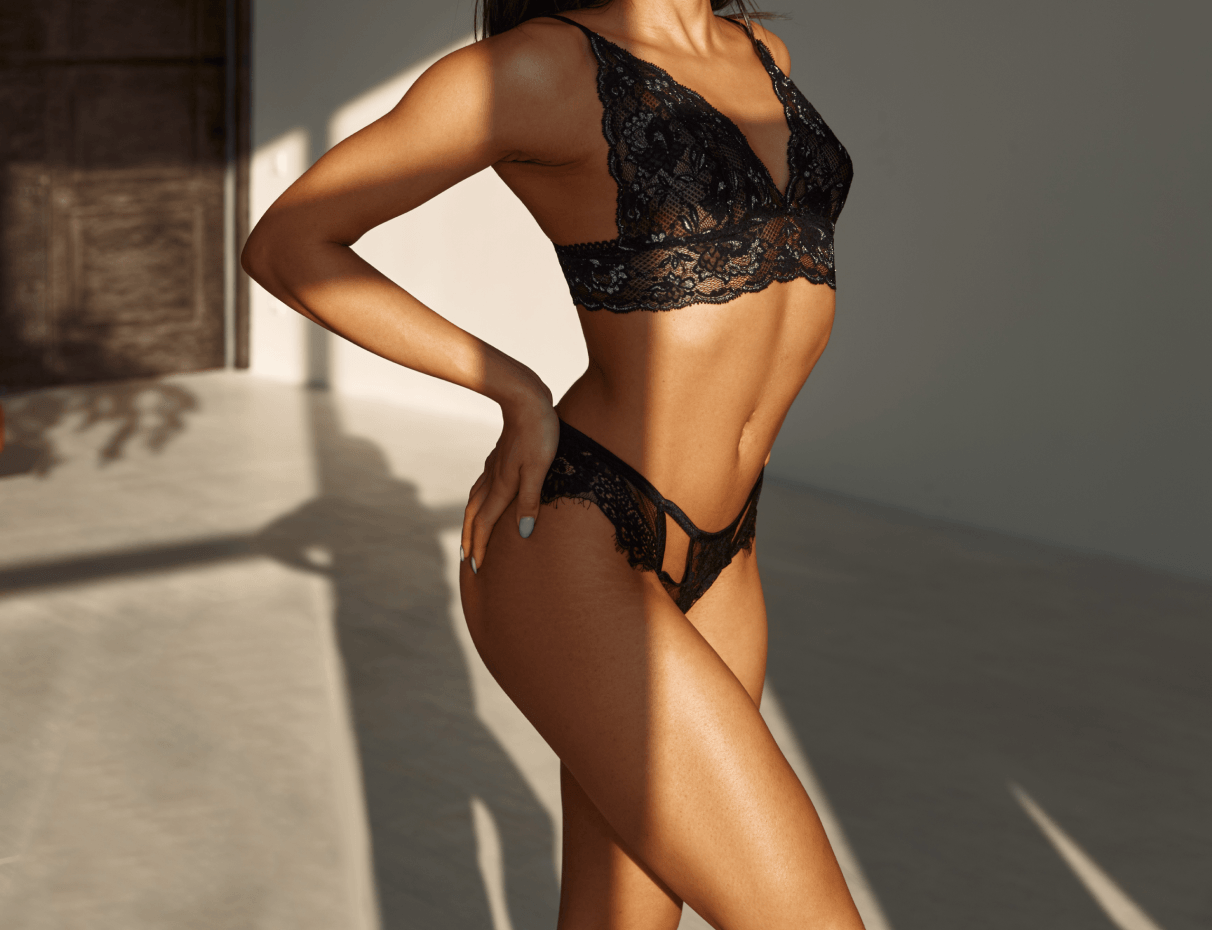
A Mommy Makeover usually only adds contouring to the abdomen and breasts if it makes the overall shape better. It depends on what changed for you during pregnancy.
The goal isn’t “more procedures,” but the right mix that gives a balanced result without extra surgery.
Many patients are surprised by how much their abdominal wall contributes to their shape. When the central support is weakened, the belly can project even at a healthy weight, and posture can feel less stable. When indicated, restoring core support can change the entire profile: the waist looks more defined and the abdomen feels firmer because the foundation is stronger.
This part of the plan is also what makes a result look natural. A flat-looking abdomen without stable support often doesn’t hold up well over time.
After having a baby, your breasts may look lower, flatter on top, or uneven. A lift makes the shape and position better. Some women want their breasts to be full again, while others want them to be lighter and more natural with better positioning only.
Dr. Kevin Haddad will do breast work based on how your breast tissue is now, including the quality of your skin, the position of your nipples, any asymmetry, and the kind of cleavage and upper fullness you want. The goal is to have breasts that look good with your body, not a “standard” shape.
A Mommy Makeover involves scars, and the goal is to place them where they can live comfortably with real life: underwear lines, swimwear, and movement. Breast incisions depend on the reshaping required. Abdominal incisions are typically positioned low to stay discreet with most clothing.
Dr. Kevin Haddad prioritises scar placement that supports the best contour. A “smaller scar” is only a win if it still allows the correction you need and doesn’t compromise the final shape.
It is sometimes best to do everything in one surgery. Sometimes it’s better to stage, especially if the correction is big or if you wouldn’t be able to handle a long procedure all at once.
Staging can also help with more precise refinement because each area can be worked on with full attention. The choice is based on safety, predictability, and how sure you are that the plan will get you the results you want, not on fitting everything into one day.
Recovery is usually felt most in the core because it’s involved in standing, sitting, and getting comfortable. The breasts tend to feel tight and swollen early, then progressively soften. Expect improvement in phases rather than a straight line.
Tightness, swelling, and careful movement; you may naturally stand slightly flexed
Mobility improves; swelling reduces in waves; energy starts to return
The silhouette becomes clearer as tissues soften and settling improves
Scars mature and the contour continues refining gradually