
A fresher under-eye, without changing your eye.
Lower blepharoplasty, also called lower eyelid surgery, is a procedure that makes the area under your eyes look better when you look tired even when you feel fine. The goal is not to change the shape of your eyes. The goal is to make the area under the eyes look smoother and calmer, and to keep the eyelid looking natural when you smile and when you are at rest.
When people worry about their under-eye area, it’s usually because of one of three things: “bags” that are easy to see, a shadow line that looks hollow, or a change in the texture of the skin. It’s important to figure out what is really making your face look tired, not just what you see in one photo.
A lot of patients think that the answer is to just get rid of the fat. In fact, one of the most common reasons why the under-eye can look hollow or harsh is because too much has been taken away. The best results usually look like you’ve gotten more sleep, not like you’ve had surgery.

The under-eye is a delicate zone where small structural changes show quickly. Over time, the supporting tissues can soften, fat can become more prominent, and the transition between the eyelid and cheek can look sharper. On top of that, skin can thin and become more crepey, which makes swelling and shadowing more noticeable.
This is why two people can both say “I have under-eye bags”, but need completely different surgical strategies.
This is where the plan becomes personalised. Dr. Kevin Haddad chooses the approach based on skin quality, lid tone, and whether the dominant issue is puffiness, loose skin, shadowing, or all of them.
The aim is always the same: reduce heaviness and shadows while keeping the lower lid stable and natural.
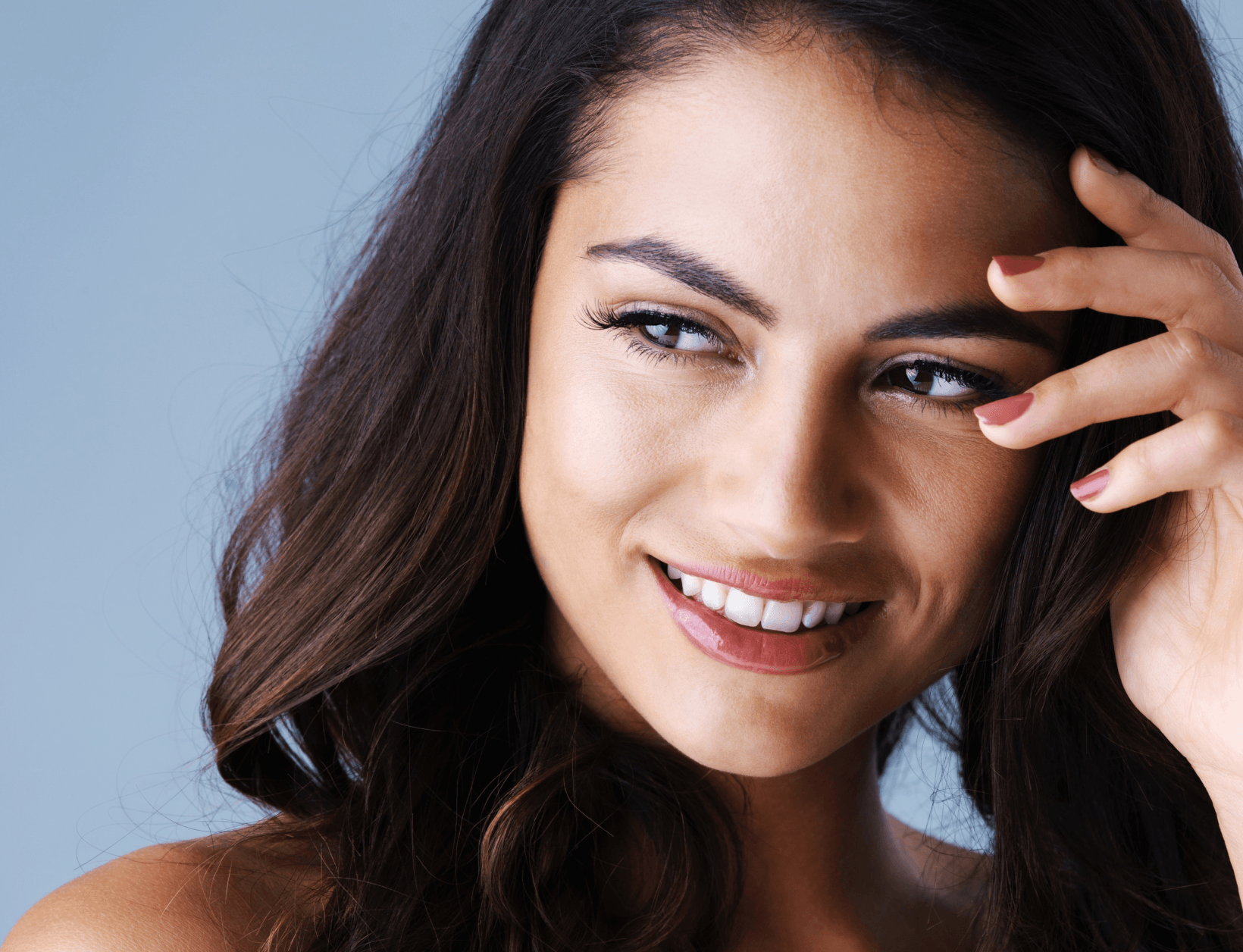
Surgery on the lower eyelid is not just about shape; it’s also about support. Some lower lids have a strong tone, while others are naturally more relaxed and need more care when planning. When support is ignored, the under-eye can look pulled, rounded, or unnatural while it heals.
Dr. Kevin Haddad plans around eyelid stability so that the result looks good not only when you’re looking straight ahead, but also when you move and make facial expressions.
Swelling and bruising are common; the area can look worse before it looks better
Bruising fades; swelling reduces, but the under-eye may still look firm or uneven
The area looks more “normal” day to day; the contour starts to look smoother and calmer
Refinement continues as tissues soften and the lid–cheek blend becomes more natural
The under-eye is one of those areas where patience pays off. Early healing rarely reflects the final result.
Lower blepharoplasty is delicate surgery. Temporary dryness, irritation, watering, swelling, or bruising can happen, and some people simply swell longer than others in this area. Minor asymmetry during healing is common and often improves as swelling resolves.
The outcomes that look most unnatural usually come from overcorrection: too much removal, too much tightening, or a plan that doesn’t respect eyelid tone. This is why conservative, anatomy-led decisions matter more here than in many other facial procedures.