
A masculine chest line, restored
Gynecomastia is a common condition that makes the chest look round or swollen, especially around the nipple–areola area. It makes shirts fit differently, changes how your chest looks at the gym, and makes you less confident even when the rest of your body is lean. This is a daily annoyance for many men.
The problem is that training doesn’t always make the “fat” go away, which makes it even harder to deal with. Dr. Kevin Haddad thinks of fixing gynecomastia as sculpting the chest. The goal is to create a natural, masculine shape with a smooth surface and a nipple–areola area that is flatter and doesn’t look too much or unnatural.
Not all male chests that are bigger are the same. Some are mostly soft fullness, while others have a firmer mound behind the nipple. Many are a mix of both. This is important because the method that makes a clean result depends on what is making the shape.
A firmer, rubbery feel behind the nipple often acts differently than soft fat, and it usually doesn’t react the same way when you lose weight. The quality of the skin also matters. If the skin has stretched and lost its recoil, contour improvement may need more than just reducing volume.
If the change is new, clearly one-sided, painful, getting worse quickly, or linked to nipple discharge or a new lump, it should be checked out by a doctor before any cosmetic work is done.
Hormones, some medicines, supplements, and other health issues can all affect gynecomastia. A thorough examination helps make sure that the treatment plan is right and lowers the chance of the problem coming back if there is a fixable cause.
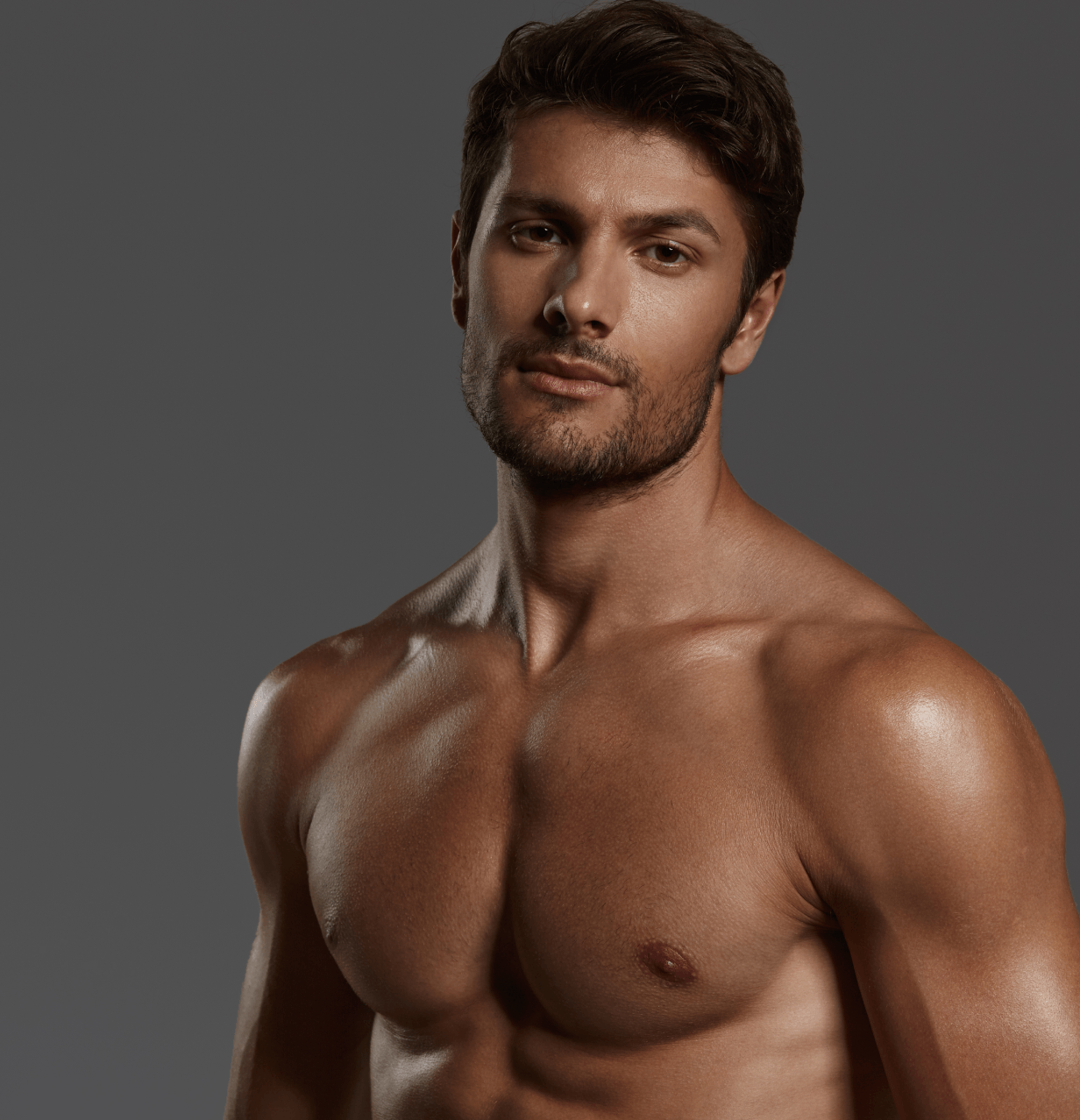
There are a few reasons why a man’s chest might look bigger:
This difference guides the way the surgery is done. If gland tissue is the main reason why the areola is swollen, just removing fat may not be enough to fix it. Also, getting rid of gland tissue without shaping the fat around it can make an unnatural “flat spot” appear behind the nipple. When you treat the chest like a smooth surface instead of a single target, it usually looks more natural.
There is more than one way to do gynecomastia surgery. The plan is chosen based on the type of tissue, how much contour refinement is needed to keep the result smooth and masculine, and how much areola projection is needed.
Not a patchwork fix that leaves visible transitions, but a balanced chest line that looks good from the front and side is the most important thing.
Most men think that gynecomastia surgery was successful if the nipple and areola look good after they heal. A good correction makes the puffy look go away while keeping the area looking normal, not stuck down or cratered.
To make the final contour look athletic and masculine, not “surgically emptied,” the natural tissue layer under the nipple needs to be carefully shaped and preserved. The area around the chest needs to be blended as well, so the areola sits on a smooth slope instead of a sudden step.
Scars are planned so that they are hidden and easy to get to. When a gland needs to be removed, the incision is usually made at the edge of the areola, where the color change helps it blend in. When contouring is done, small access points are put in places where they are less noticeable but still allow for precise sculpting angles.
The goal is not just small scars, but scars that help shape the body well. The first step is to clean up the contour, and scar planning is meant to help with that in the least obvious way possible.
Chest shape does not “lock in” immediately. Swelling, firmness, and early asymmetry are common, especially around the areola. The chest becomes more natural as tissues soften and the skin adapts to the new contour.
Following aftercare guidance closely helps the contour settle evenly and reduces the chance of lingering irregularities.
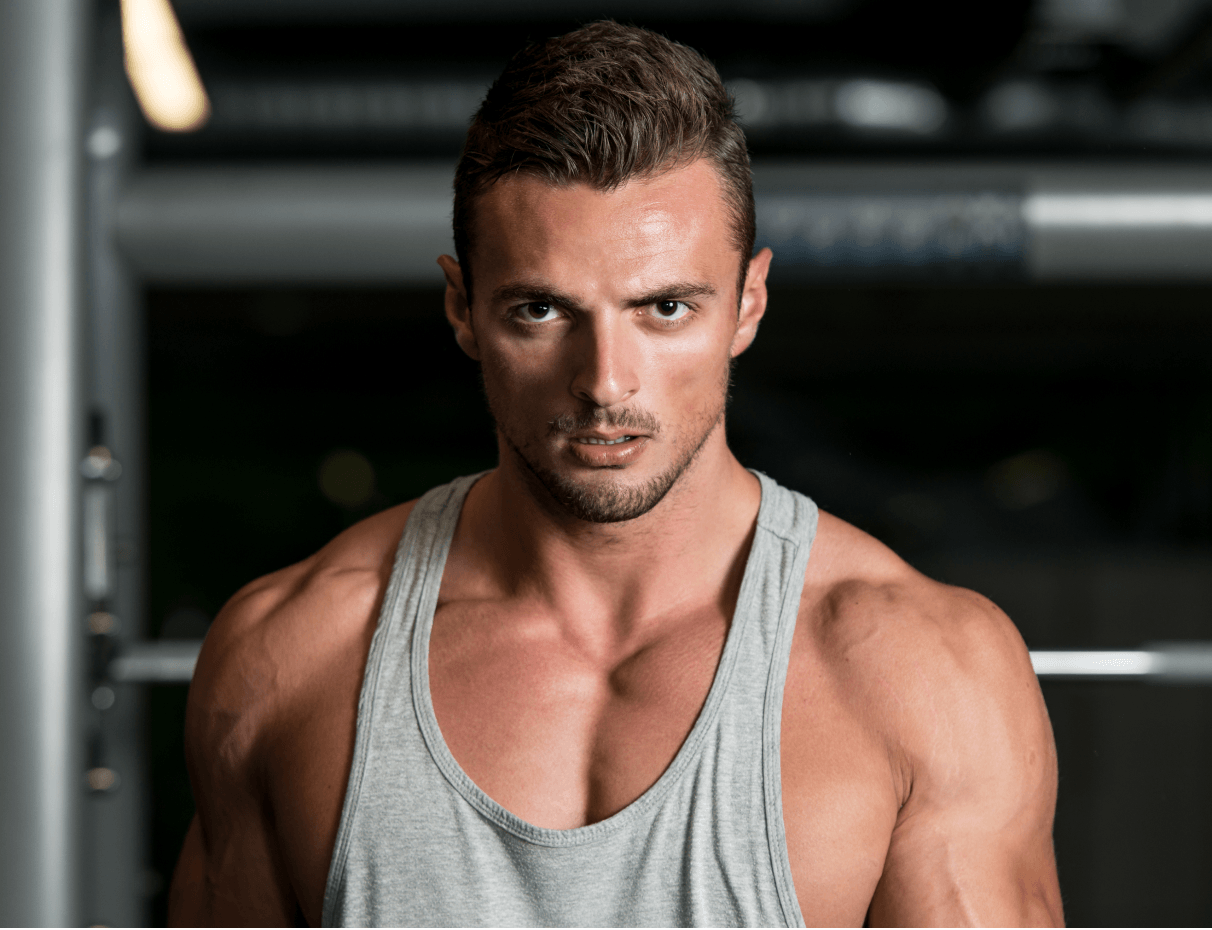
A successful gynecomastia correction should make your chest look flatter, your areola profile better, and the shape of your chest should match the rest of your torso. Shirts usually fit better, the chest looks more defined from the side, and you feel more confident because you don’t have to worry about how you dress or how you stand to make your chest look better.
Keeping a stable weight over time helps keep the shape, especially if fat was a big part of the enlargement.