
Look refreshed, still look like you.
A facelift is for facial laxity that can’t be fixed with non-surgical methods. When the lower face drops, it can make jowls, a blurred jawline, deeper folds around the mouth, and a general heaviness that doesn’t match how you feel. Stretching skin is not part of a well-planned facelift.
It’s about bringing back structure and harmony while keeping your identity and expression. Dr. Kevin Haddad has one clear rule when it comes to facelift surgery: the result must look natural when the person moves. You shouldn’t look different; you should look fresher.
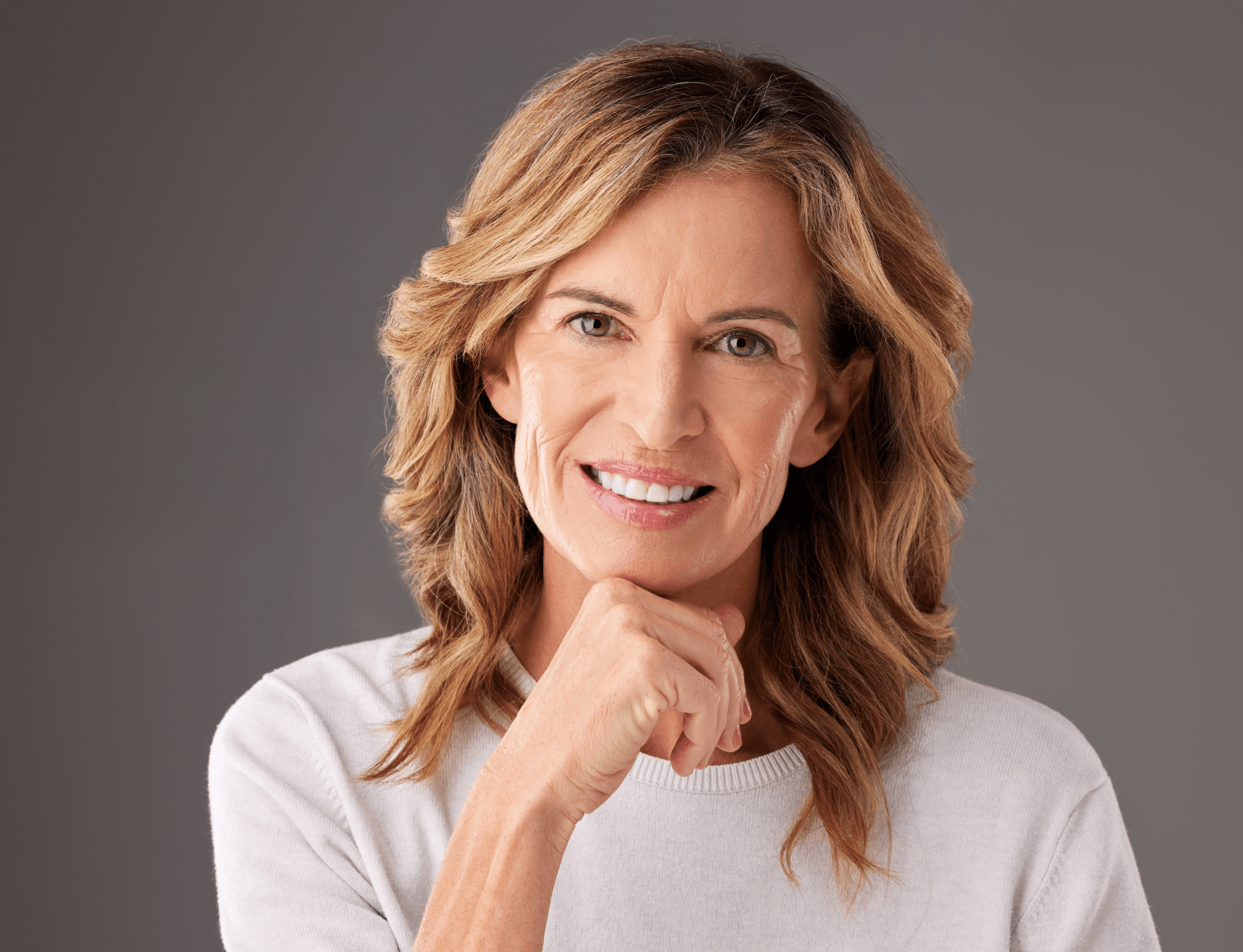
People usually want specific improvements, and they tend to show up more in real life than in a perfectly posed picture. A refined facelift usually makes the lines on your face look cleaner and makes your lower face look calmer. You can usually expect things to get better in:
The shape of the neck when it is part of the plan
It’s also important to be realistic: the quality of the skin on the surface (fine lines, sun damage, texture) may still need other treatments. The facelift fixes the drooping that makes the face look heavy.
The results of a modern facelift depend more on what happens under the skin than on the skin itself. The deeper support layer is moved, and the skin is redraped with as little tension as possible. This is what keeps the results from looking tight and “pulled” and makes them last longer. Dr. Kevin Haddad’s main areas of interest are:
When you do this right, you still look like yourself, but more rested.
Not everyone ages in the same way. Some people descend mainly around the jawline. Others notice midface heaviness. Some have strong neck involvement. A good plan follows your pattern rather than applying a standard template.
During assessment, Dr. Kevin Haddad typically considers skin elasticity, facial volume distribution, underlying support strength, and how your face moves when you talk and smile. This ensures the lift looks balanced from the front, profile, and three-quarter view.
A lot of patients ask for a facelift, but what they really want is a cleaner jawline and a smoother neck. That’s why neck work is often included in the plan when it’s needed. Depending on your body type, the plan can help with loose skin under the jaw, fullness under the chin, and structural neck issues that make the angle less clear.
The goal is not to look “snatched” in an extreme way. It is a natural, elegant neck shape that goes well with the lower face that has been refreshed.
If you want a real, long-lasting improvement, a facelift is usually the best option when the problem is tissue descent and laxity. Dr. Kevin Haddad looks at whether your body and goals are right for surgery and whether the result can look natural.
If the main problem is losing volume instead of going down, the plan may include different or combined strategies so that the result is what you really want to see happen.

When possible, facelift incisions should be made in natural folds and areas with hair so that they heal without drawing attention to themselves. The quality of a scar depends on the type of skin and how well it heals, but the technique is also important.
Low-tension closure and careful positioning usually make the cleanest scars. Dr. Kevin Haddad wants scars that are hard to see in normal light and with normal hairstyles.
Facelift healing is a settling process. Most patients feel better quickly, but the face continues to soften and refine for weeks. Planning your calendar around the early healing window makes the experience far less stressful.
Swelling and bruising are expected; the face can feel tight or unfamiliar
Bruising fades; swelling reduces, but firmness can remain in places
Contours look more natural; expression feels more “like you” again
Subtle refinement continues as scars mature and tissues relax
The goal is a calm recovery that leads to a calm, natural result.