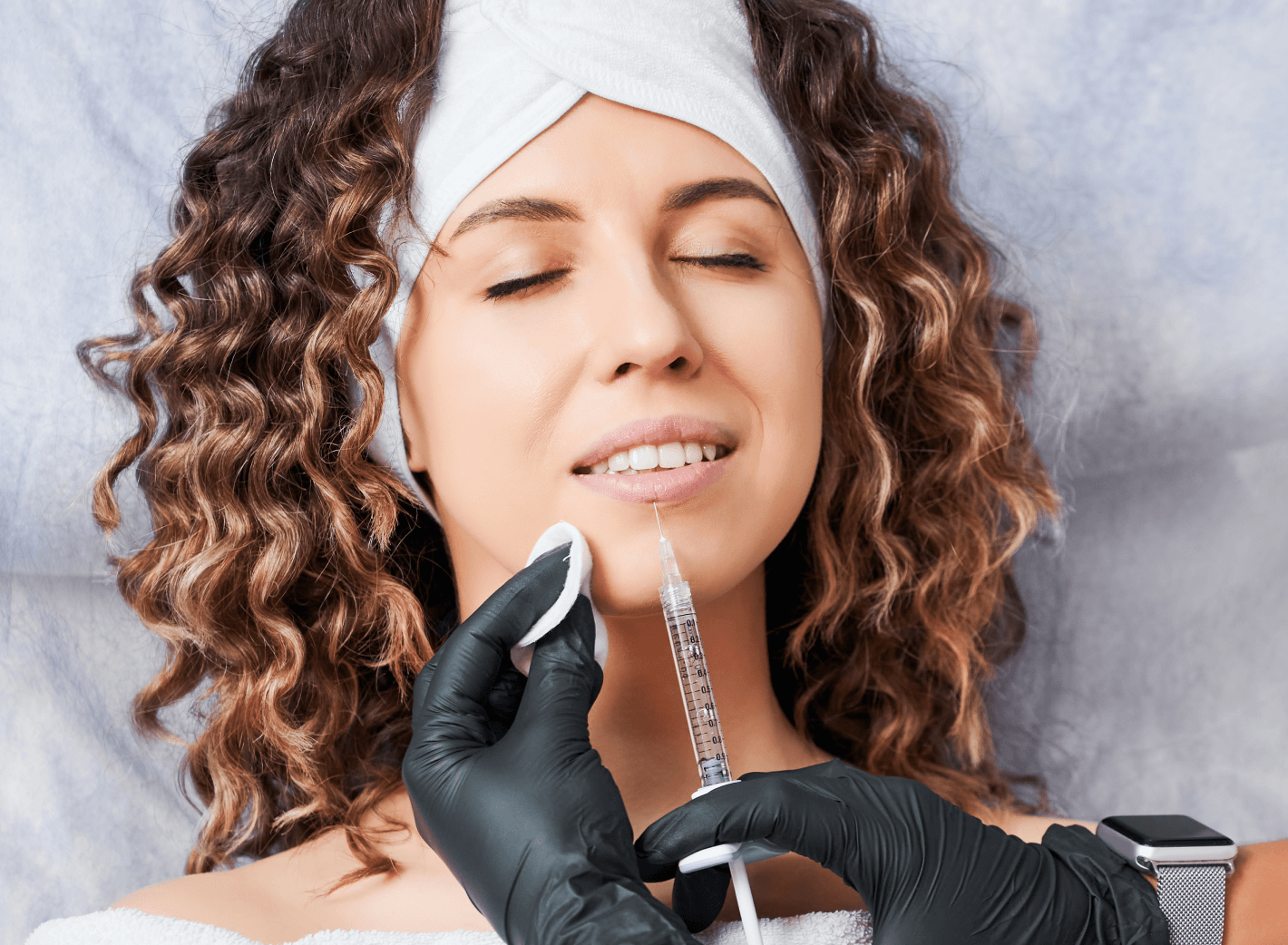

Natural balance, quietly refined.
Most people don’t come in and say, “add volume.” People come because something doesn’t feel right. For example, the face looks tired in pictures, the shadows are deeper, or the profile doesn’t feel as balanced as it used to. When used carefully and with a clear plan, dermal fillers can fix those changes.
They shouldn’t be used as a quick fix for every line. Dr. Kevin Haddad uses fillers to bring things back into balance. The goal is for you to still look like you, but with a fresher, smoother, and more balanced look.
The edge of a shadow makes many of the “lines” that you can see. The area under the eyes looks darker when support in the midface decreases. The jawline looks fuzzy when the lower face loses its shape.
In these situations, it might not be best to treat the crease itself. A good filler plan makes the shadow less noticeable by adding support where it is needed. The result looks softer and more rested, and you don’t have to chase after every little line.
Natural filler results have two good things about them: they look smooth from all angles, and they still look normal when you talk, smile, and laugh. The strategy, not the product, is what makes results look “done.”
This could be too much volume in the wrong place or trying to make a moving face look symmetrical and perfect. Dr. Kevin Haddad puts facial identity and smooth transitions first. If a correction could make things too heavy or puffy, he will suggest a more subtle option or a staged approach.
The plan is based on proportion and structure, not trends, before any injection. That includes how your face looks from the front, the side, and three-quarters of the way around, as well as how it moves when you smile and talk.
Dr. Kevin Haddad usually looks at how a product works (soft vs. structural), how deep it is (superficial vs. deep support), and how to fix things in the right order (what should be fixed first so that the rest needs less product). This is how you get a result that looks like one whole thing instead of a bunch of “treated spots.”

A few well-placed injections are usually better than a lot of random ones for a natural-looking improvement. Dr. Kevin Haddad picks targets that help with overall balance and get rid of tired shadows, and he stays away from areas that can look heavy when they’re full.
Even with small amounts of product, the face looks more balanced when the right points are chosen.
You might see an improvement right away after treatment, but the first look isn’t the last look. Some areas may feel a little firm before they soften, and mild swelling can make an area look fuller for a few days.
You may get bruises, especially if you bruise easily or if the area has a lot of small blood vessels. This settling phase is something that Dr. Kevin Haddad thinks about when he plans. The goal is a calm, blended result after the swelling goes down, not a dramatic effect on the first day that looks heavy later.
Longevity varies, and the main reason is simple: areas that move more break down faster. Lips and expressive areas often fade sooner than deeper support points like the cheek or chin. Your metabolism, lifestyle, and the type of filler used also influence duration.
Dr. Kevin Haddad usually frames maintenance as optional: some patients like small refreshes to keep a consistent look, while others prefer to wait until the change has clearly faded and reassess with a fresh plan.
Fillers are medical procedures, and the safest outcomes typically arise from prudent choices, accurate anatomy, and a strategy that mitigates unnecessary risk. Dr. Kevin Haddad thinks of safety as part of aesthetic quality because fixing things too much and rushing through the process can lead to more problems and unnatural results.
If you notice anything strange after treatment, like severe pain, a change in colour, or swelling that gets worse all of a sudden, you should see a doctor right away.