
A controlled reset for clearer, smoother skin.
Dr. Kevin Haddad uses chemical peels to treat skin with precision, picking the depth and formula based on how your skin behaves, what you want to achieve, and how much time you can realistically take off.
Peels are useful because they can help with many problems at once. The main benefit is not just a “glow,” but also a cleaner skin surface and more even pigment behaviour over time.
People often use them to fix uneven skin tone, dullness from the sun, clogged pores, breakouts, enlarged pores, fine lines on the surface, and marks left over from acne. Peels can also help keep skin clear over time by making it easier for the skin to shed and the pores to work better.

The strength of the change and the recovery depend on how deep the peel is. Dr. Kevin Haddad chooses the depth based on what you want to treat and how your skin usually reacts.
It’s not always smart to pick the “strongest” peel. The best peel for you is the one that doesn’t irritate your skin and works on the problem you want to fix.
There isn’t just one “chemical peel” product. Different acids act in different ways, and you can reach the same depth in different ways. Some formulas work better for active breakouts and congestion, some for uneven pigment, and some for renewing the texture of the skin as a whole.
Dr. Kevin Haddad picks the formula based on your skin type, how sensitive it is, how oily it is, how much pigment it tends to have, and how you live your life every day. This is how the result stays smooth and natural instead of patchy or too strong.
Peels can work beautifully across many skin tones, but pigment risk is not the same for everyone. Some skins mark more easily after inflammation, and an overly aggressive peel can trigger unwanted darkening rather than improvement.
Dr. Kevin Haddad plans intensity conservatively when pigment sensitivity is likely, and he prioritises strategies that improve tone gradually and safely. For many patients, consistent controlled treatments outperform one intense session.
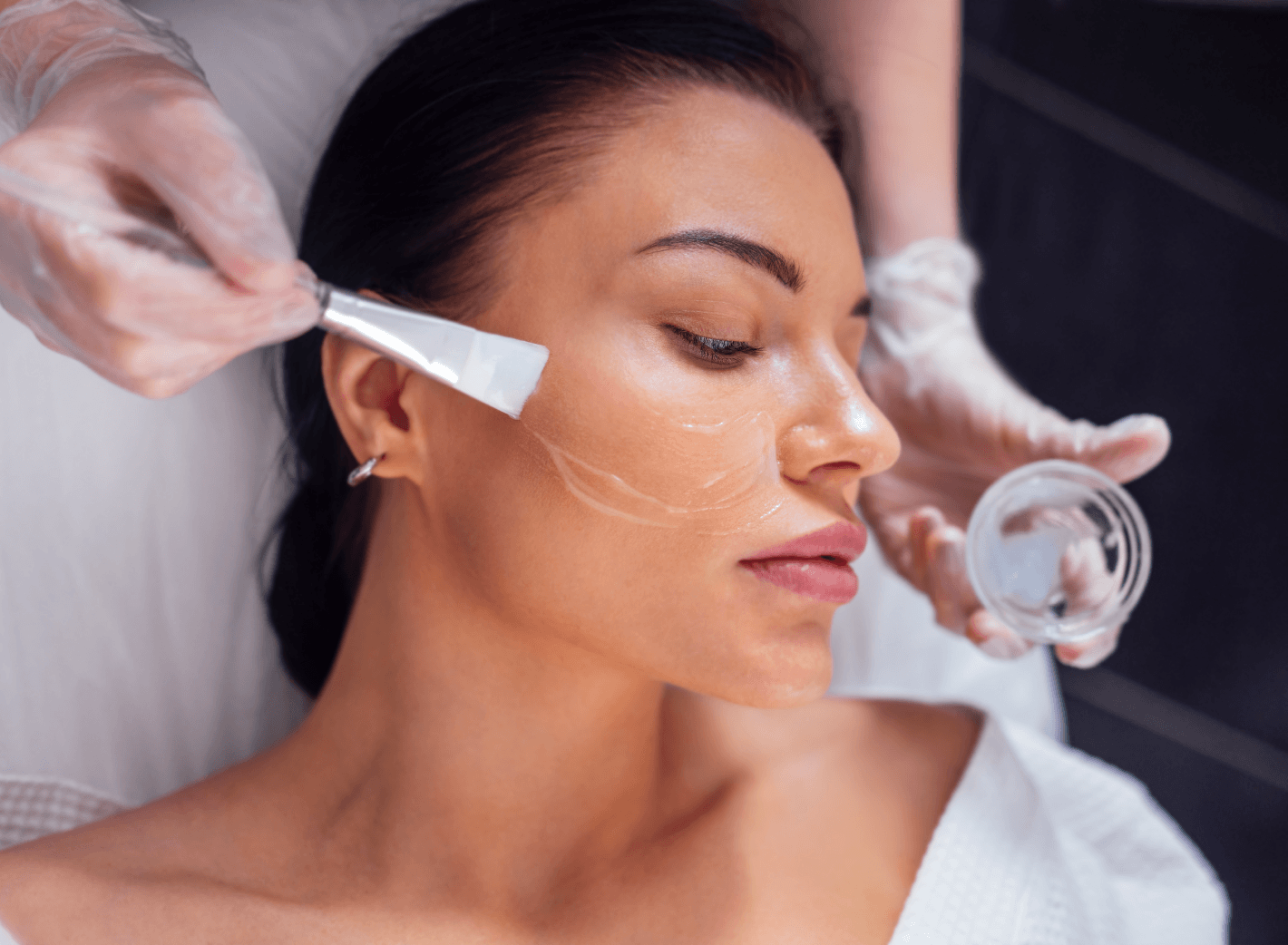
As the peel is put on, most people feel warmth, tingling, or stinging that comes and goes. The feeling is normal and usually easy to handle, but it changes depending on the type and depth of the peel. Most of the time, superficial peels are quick and not too harsh.
Medium peels can be more painful, especially in sensitive areas. Dr. Kevin Haddad changes the way he treats you to make sure it’s still effective but not too painful. He also doesn’t push your skin too hard.
Not every peel produces dramatic shedding. Some cause light flaking that only you notice, while others create visible peeling for several days. Medium and deep peels tend to have more obvious recovery, and the skin can look tight, dry, and temporarily uneven while it renews.
The goal is not impressive peeling. The goal is a smoother, more even surface once healing is complete. Dr. Kevin Haddad prepares you for the normal stages so you do not judge the outcome too early.
What you do after the treatment has a big effect on how well the peel works. The skin is more sensitive for a short time, and the most important thing is to keep it calm while it heals and control the pigment. Dr. Kevin Haddad makes aftercare simple and strict enough to be important.
A calm recovery usually leads to a cleaner finish. If the aftercare isn’t done right, even a well-chosen peel can heal unevenly.