
Natural volume, Naturally you
Using your own fat to add volume and shape to your breasts is called breast augmentation with fat transfer or autologous fat grafting. Instead of putting in an implant, the procedure uses gentle liposuction from a donor area and careful reinjection into the breasts to make a change that is softer and more natural.
If you want to look fuller in a way that looks real, fat transfer is the best option. Without a sharp, implant-style edge, it can add volume, improve the upper pole softly, smooth out small contour irregularities, and refine cleavage balance.
The volume comes from living tissue, so the end result usually feels like your own breast tissue. A lot of patients also like that they can shape a donor area at the same time.
Fat transfer can make a big difference, but it has its own set of rules. It usually works best for people who want a small change in size rather than a big one. People often say that the change makes things “noticeably fuller” instead of “completely different.”
It is also important to know what it doesn’t do. If your breasts are very sagging, fat transfer won’t lift them up, and if your body doesn’t support it, it won’t be able to make a highly projected, implant-style profile. If the nipples need to be lifted or there is too much skin, the plan should honestly say so.
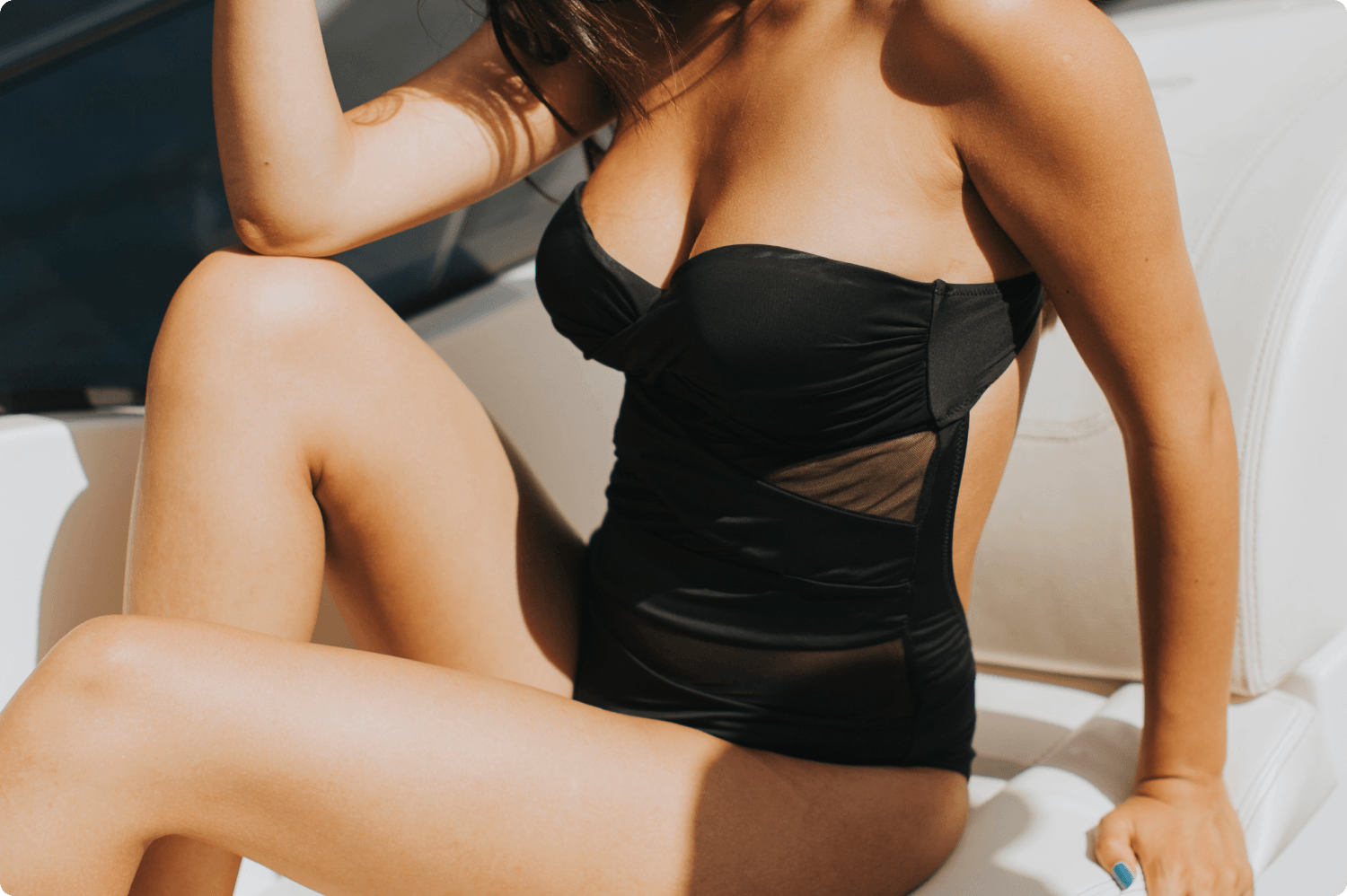
A strong candidate is usually someone who wants a natural look, has enough donor fat available, and has breast skin that can accommodate additional volume without excessive stretching.
This approach is often chosen when you want:
It can also be a good option after pregnancy or weight changes when the breast feels deflated but you still want a natural style of enhancement.
The fat used for transfer is typically taken from areas where it is available and safe to harvest, such as the abdomen, flanks, hips, thighs, or lower back. The choice is not only about where there is fat. It is also about where the contour result will look clean and how comfortably the area will heal.
Dr. Kevin Haddad plans the donor site with the same care as the breast itself. A good fat transfer outcome should look refined in both places: the breasts should look naturally fuller, and the donor area should look smoother, not uneven or overtreated.
To make a successful fat transfer, you need to be careful with the fat at every step. The goal is to keep the quality of the fat, clean it properly, and put it in a place where it will blend in naturally and help it live for a long time.
After they are put in place, the breasts are shaped to settle naturally. The focus is on blending and proportion, so the result looks like your body and not like an extra piece.
Fat transfer is not only about adding volume, it is about where that volume sits. Some patients want gentle fullness at the upper breast. Others need more balancing on one side, or a smoother transition toward the cleavage area. Skin thickness, breast base width, and natural asymmetry all influence the design.
Dr. Kevin Haddad plans the breast as a three-dimensional shape. The aim is to improve the silhouette while maintaining soft transitions, avoiding harsh edges, and keeping the nipples and breast footprint looking natural.
The healing process for fat transfer is different from other types of surgery. At first, swelling can make the breasts look fuller, but as they heal, the volume goes down. This is normal and to be expected.
The most important thing is not to judge the outcome too soon. The goal is a stable, natural result, not a quick final look in the first week.
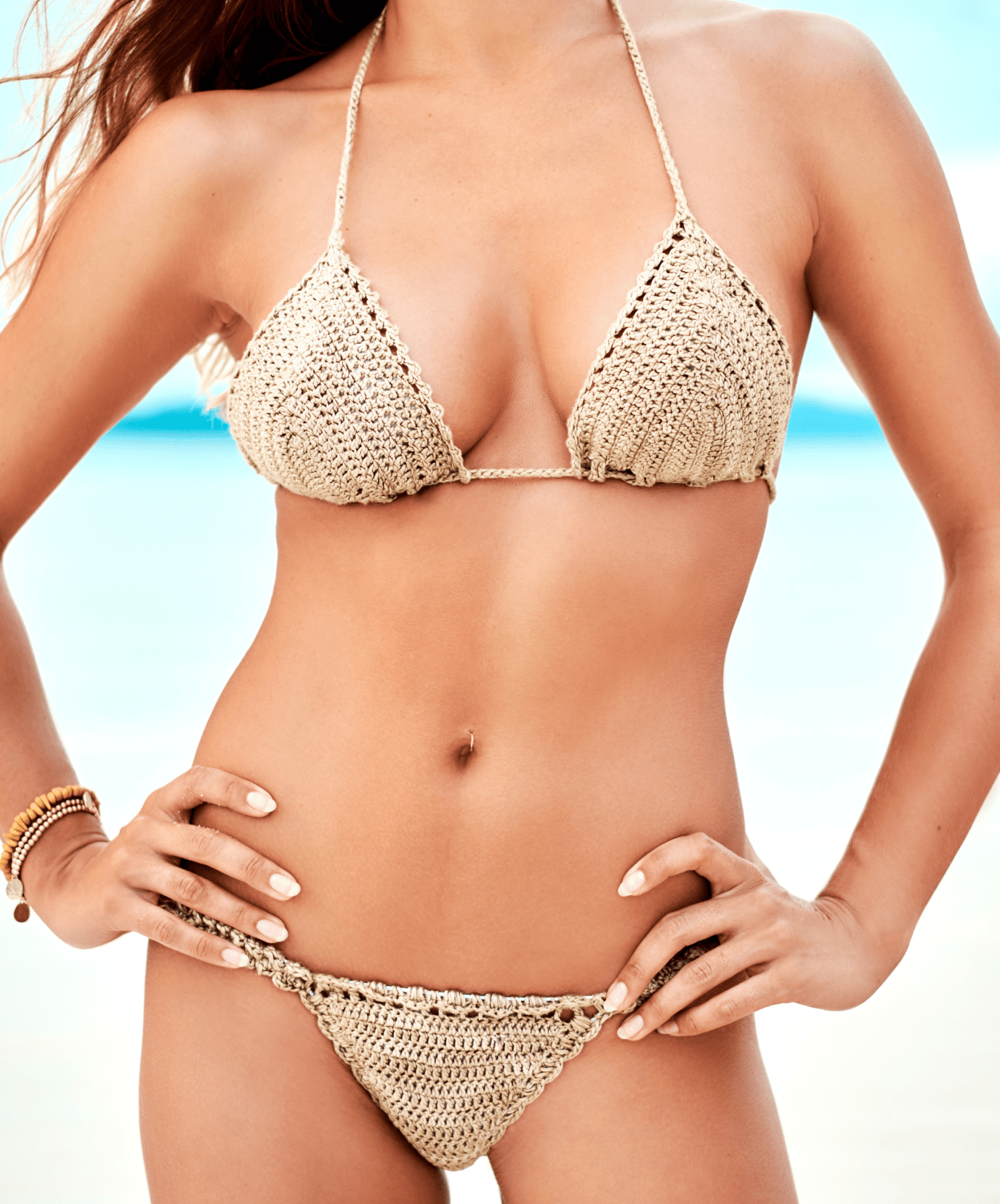
With fat transfer, long-term volume depends on how the transferred fat integrates. That process varies from person to person and can vary by area within the breast. For some patients, one session achieves the goal. For others, a second session is the best way to reach the desired fullness while keeping the first procedure conservative and natural.
Dr. Kevin Haddad plans with this in mind. Instead of trying to force a maximal change in one session, the strategy prioritises shape quality, smoothness, and predictable settling.
When done right, fat transfer is usually well-tolerated, but it still needs to be done carefully and with realistic expectations. During healing, you may experience temporary swelling, bruising, firmness, and mild lumpiness. The tissues usually get softer over time, but it’s important to follow the aftercare instructions so that the breasts settle evenly.
Another important thing to know is that fat transfer changes how the breast tissue looks. That doesn’t mean it’s dangerous, but it does mean that planning should be done by a professional and with medical responsibility, and that you should be clear about your baseline breast health and what to do next.