
Hydration you can see, softness you can feel.
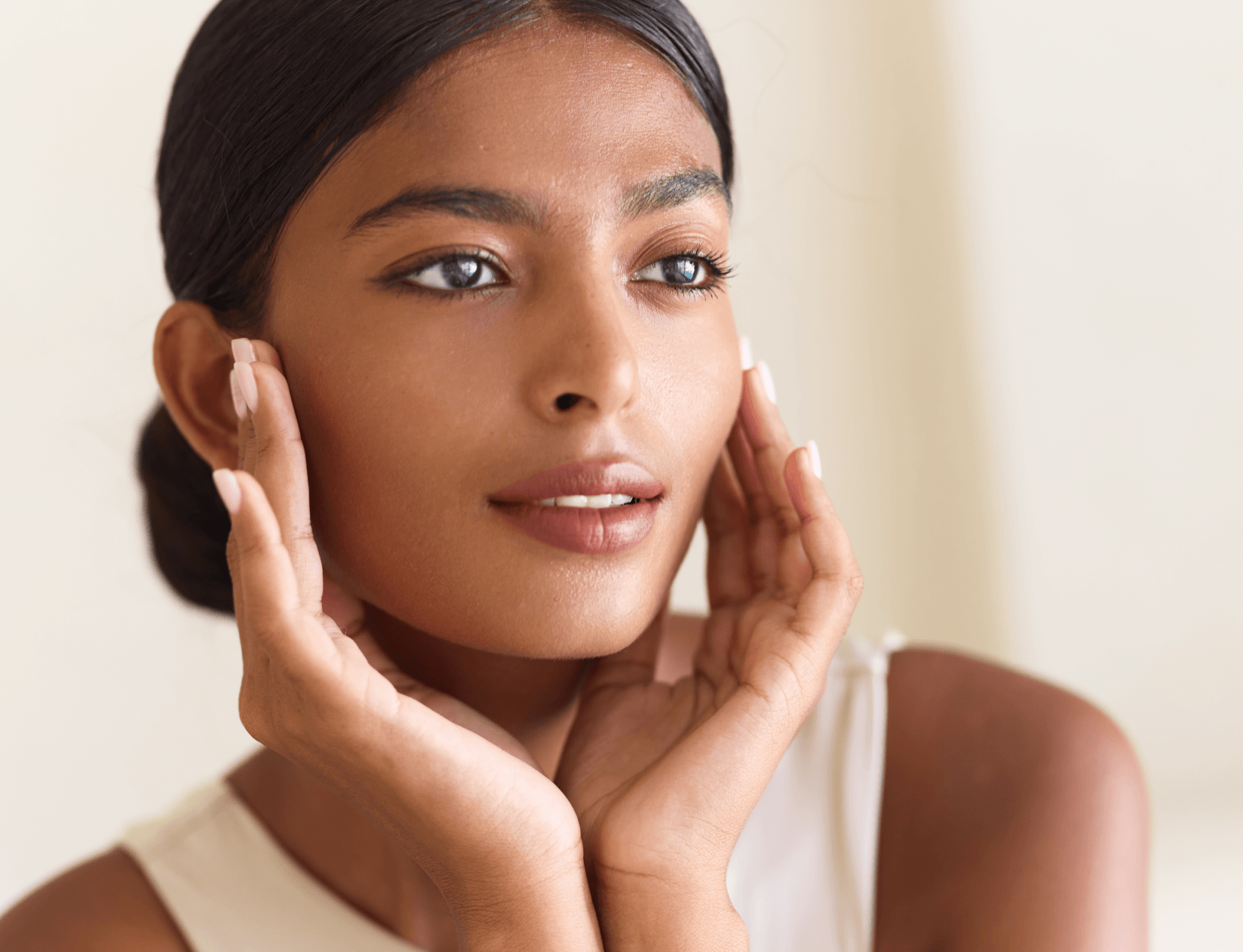
Skinboosters are shots that are meant to improve the quality of your skin, not its shape. You can use them to make your skin look more hydrated, smooth, and bright without adding obvious volume or changing the way your face looks.
Think of it as making the skin look better: how it reflects light, how it feels to the touch, and how even it looks every day. Dr. Kevin Haddad plans skinboosters in a careful, precise way so that the result looks fresh and natural, not puffy or overdone.
A lot of patients say the same thing when they come in: “I’m using good products, but my skin still looks dull.” This happens a lot when the skin is dry below the surface, when the texture is a little rough, or when strong actives can easily irritate the skin barrier.
Fine lines of dehydration, uneven makeup, and a lack of glow are all signs that the skin needs more than just topical care. In this case, skinboosters might be a good choice because they work below the surface to keep skin hydrated and healthy where creams can’t reach.
It’s important to know the difference between skinboosters and classic dermal fillers. Traditional fillers are meant to shape and support the structure of the cheeks, jawline, chin, and lips. Skinboosters are meant to make skin better, usually by putting small amounts of them all over an area to make it more hydrated and soft.
That difference is important because the goal is not to look “done.” The goal is to have skin that looks healthier in normal light, when you’re talking, and in everyday pictures.
Not all skinboosters behave the same way, and not every face needs the same approach. Some formulas are more focused on hydration and elasticity, while others are designed to support texture and firmness. Placement depth and distribution also matter, especially in delicate areas where superficial injections can create visible unevenness.
Dr. Kevin Haddad focuses on matching the product and technique to your skin thickness, sensitivity, and the outcome you want, because a refined result depends more on planning than on quantity.
Skinboosters usually look best in areas that show signs of dehydration and changes in texture early on. Dr. Kevin Haddad usually picks spots where better hydration will make the skin look smoother and more even without making it feel heavy.
Instead of lightly treating a lot of areas and getting a weak, hard-to-notice change, it’s usually better to treat fewer areas well.
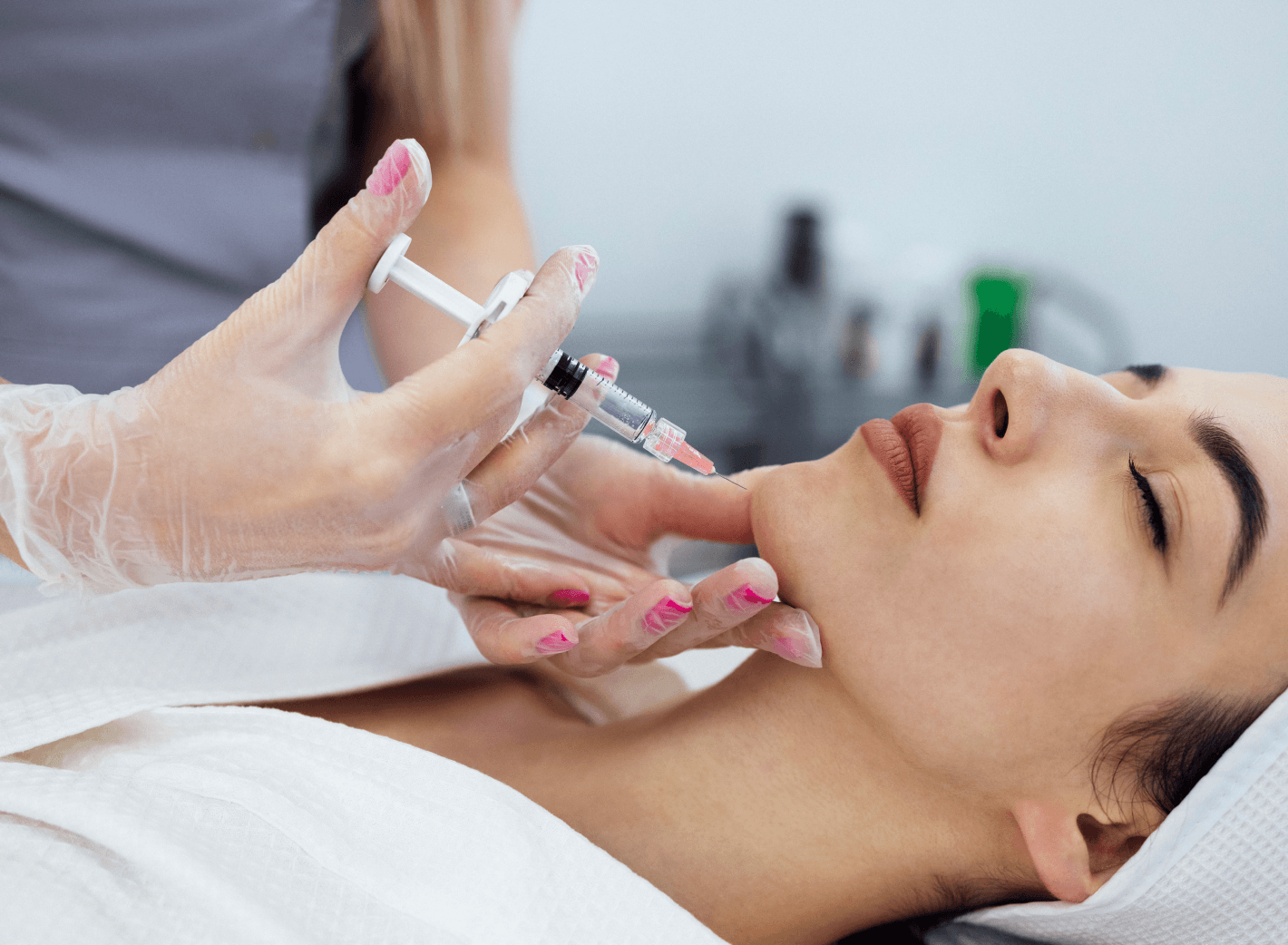
Most of the time, the sessions are easy. The skin is cleaned, comfort measures may be used, and then the product is put in through small micro-injections or a controlled method, depending on the area. You might feel small pinches and some pressure.
The skin may look a little red and you may see small bumps where the injections were given right after the procedure. These bumps usually go away as the product works. Dr. Kevin Haddad keeps the intensity realistic so that you can see real progress while still being able to handle the recovery in real life.
Skinbooster results often appear in phases. Many patients notice early hydration and glow first, then improvement in smoothness and texture as the skin settles. A course of sessions is commonly recommended to build a more stable result, especially when the skin has been dehydrated for a long time.
Longevity varies from person to person, depending on skin type, lifestyle, sun exposure, and how quickly the body breaks down the product. Some patients prefer periodic maintenance to keep the skin looking consistently fresh, while others treat it as an occasional reset.
The main goal of aftercare is to keep the skin calm while it heals. Dr. Kevin Haddad’s advice is usually simple, but following it makes the finish look smoother and lowers the risk of irritation or redness that lasts a long time.
If you follow the aftercare instructions, your skin usually settles down faster and the glow looks more even and natural.
Most side effects are short-lived and local: redness, tenderness, small bruises, and temporary bumps at injection sites. Certain areas can swell more than expected, especially if your skin is reactive. Rarely, unevenness, small nodules, or visible product under thin skin can occur, which is why technique and correct depth matter.
Dr. Kevin Haddad prioritises safety by choosing appropriate products, injecting conservatively in delicate zones, and setting expectations clearly so the treatment stays within a natural and medically sensible outcome.