
A fresher skin finish, built gradually.
If you look in the mirror and think your skin is the problem, not the shape of your face, mesotherapy is for you. Even if you sleep well and take care of your skin, it may still look dull, dry, uneven, or “tired.”
Mesotherapy doesn’t change the shape of your features or add volume; instead, it makes your skin look healthier and more even in real life. Dr. Kevin Haddad’s goal is small but important: your face still looks like you, but fresher.
Mesotherapy uses a lot of small injections in a certain area instead of one or two big ones. This method of distribution helps make the finish more even, especially when the goal is to hydrate, soften, and improve the texture rather than make a big change.
Since the treatment is spread out, planning is all about finding the right balance: where to treat, how hard to do it, and how to keep the skin calm so the improvement looks clean and natural.
Mesotherapy is a method, not a single product that works all the time. Picking the right formula for how your skin behaves has a big effect on the results. Some patients mostly need help staying hydrated. Some people need a blend that focuses on vitality, while others need a protocol that focuses on texture and strength.
Dr. Kevin Haddad picks the right ingredients for you based on how sensitive your skin is, what you want to achieve, and how reactive your skin tends to be. The best result is not “more ingredients,” but the right ones in the right order.
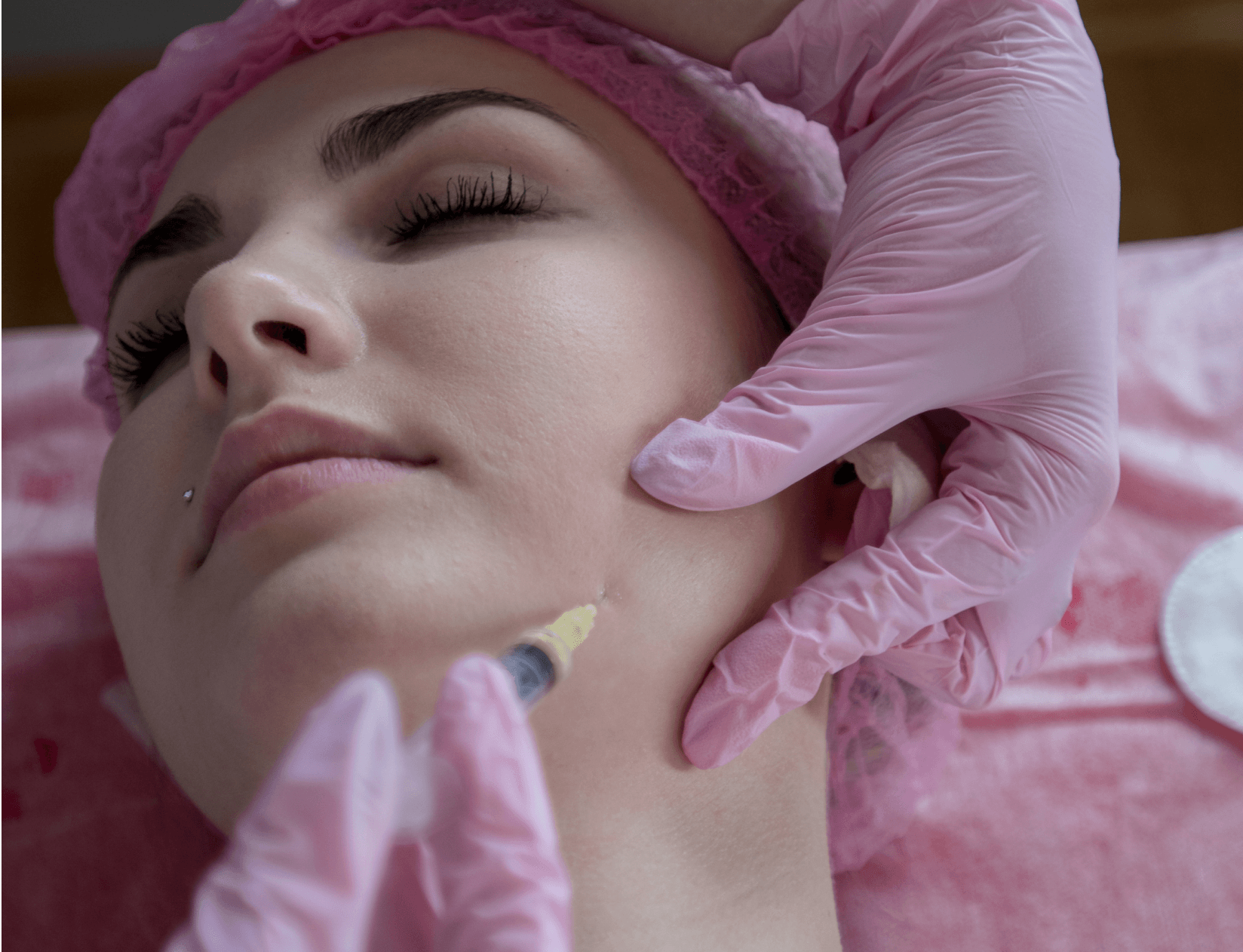
Some parts of the body show signs of dehydration and texture change sooner than others. People often plan mesotherapy for areas of the body where the skin looks thinner, more tired, or less even, like the face, neck, décolletage, or hands.
For some patients, the scalp may be treated as part of a plan to improve the quality of the scalp as a whole. Dr. Kevin Haddad’s main goal is to strategically place products on the skin to improve its overall appearance without causing unnecessary swelling or irritation in sensitive areas.
Mesotherapy works best when you want “my skin looks better” instead of “my face looks different.” Patients often choose it when they want:
People usually notice the change in their daily lives first, and then it becomes more obvious in pictures as the skin looks more even.
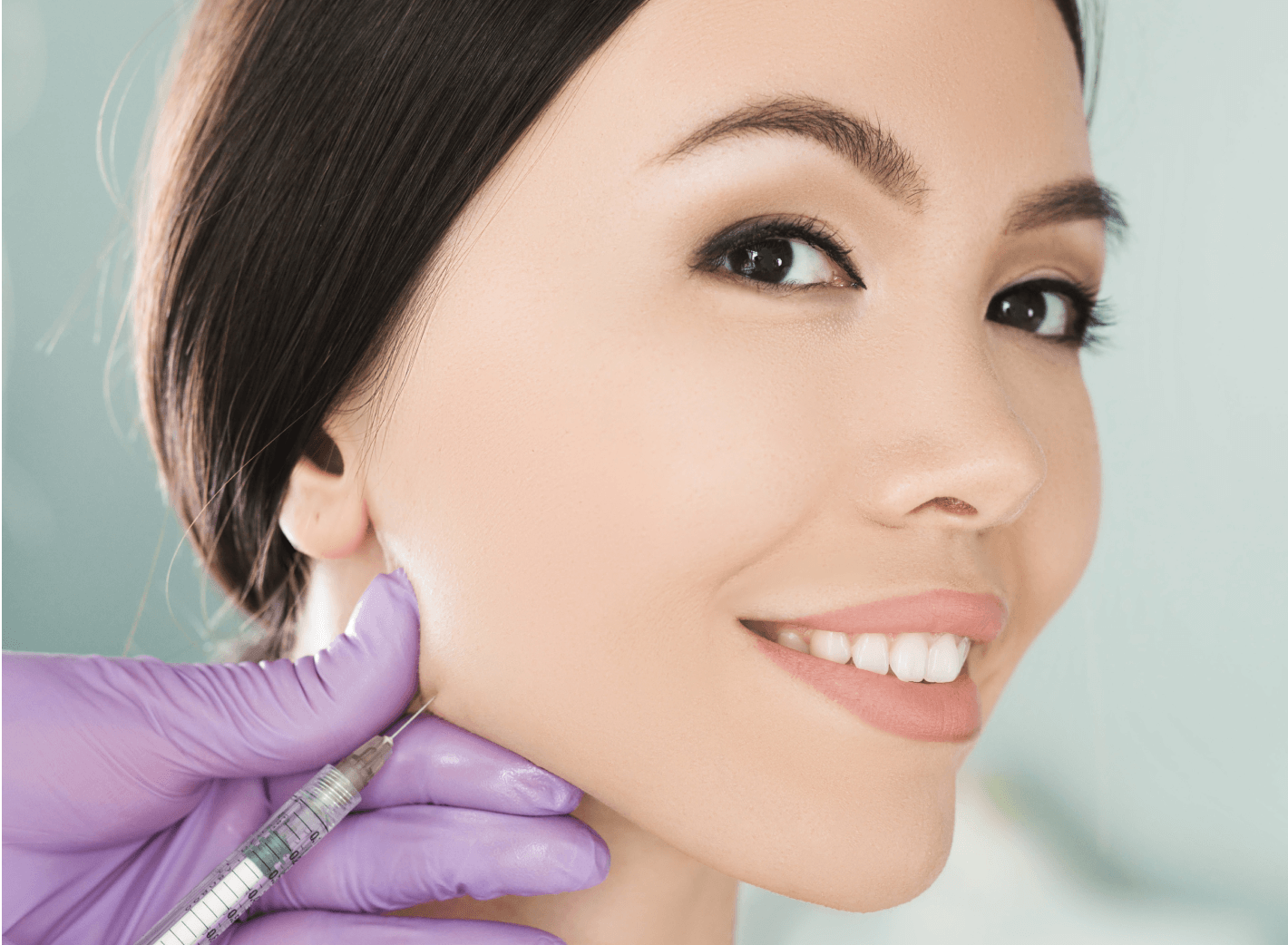
Most of the time, the sessions feel like quick, small pinches or a light sting. You can use comfort measures based on where you are and how sensitive you are. You might have mild redness and small bumps at the injection sites right after.
These usually go away as the skin calms down. Dr. Kevin Haddad plans the intensity of the procedure so that you can go back to your normal life without feeling like you had a painful procedure.
The day after mesotherapy, it shouldn’t look “done.” A lot of patients notice changes in hydration and softness first, followed by a more even look as the skin settles and treatments build.
A course of treatment usually leads to a clearer, more stable improvement than just one session, especially if the skin has been looking dull or dry for a long time. Dr. Kevin Haddad usually sets the pace so that the skin gets better steadily and doesn’t get irritated.
Mesotherapy works best when the target is realistic and aligned with what the technique is designed to do. Dr. Kevin Haddad will usually recommend it when your priorities match these points:
If your main issue is significant laxity, deep volume loss, or pronounced lines, another treatment may be more logical, and Dr. Kevin Haddad will guide you accordingly.
For the first 24 to 48 hours, you should try to avoid irritating your skin while it heals. This is usually easy, but it makes a big difference in how clean the final finish looks.
These basic steps will help the improvement look smoother and more even, instead of patchy or inflamed.