

Natural volume. Controlled precision.
Hyaluronic acid, or HA for short, is a substance that is naturally present in the skin and helps keep it moist and soft. hyaluronic acid is used as a dermal filler in aesthetic medicine to add volume, shape, and balance to facial features. The goal is not usually to “change your face.” The best results just make you look more rested, balanced, and fresh.
Dr. Kevin Haddad thinks about HA injections like a surgeon: first, he builds the structure, then he refines it. That means knowing what your face needs in terms of support and proportion, picking the right type of HA for the right area, and injecting carefully so the result looks real.
It’s not about filling every line when you get hyaluronic acid treatment. There are a lot of lines because the face has lost support in important places or because the tissues have moved over time. When the foundation is fixed, the surface often looks smoother without having to chase every crease.
hyaluronic acid can help bring back volume to areas that look flat, make the transitions between zones (like the cheek and under-eye) look better, and gently rebalance the proportions of the profile. The result should look smooth in normal light and natural when moving, not “treated.”
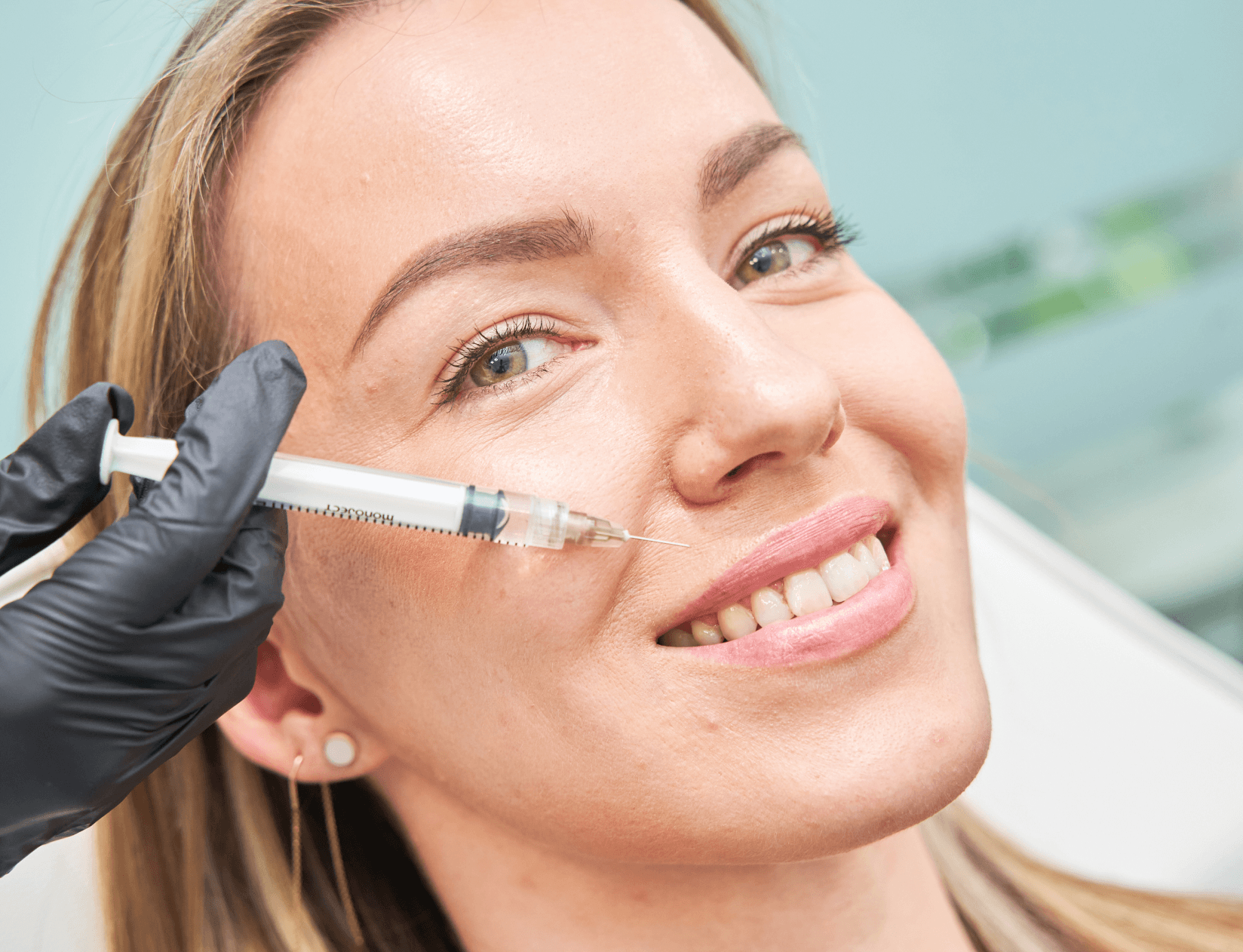
Choosing the right target, not injecting everywhere, usually leads to a well-planned filler result. Dr. Kevin Haddad chooses areas based on the shape of the face and what will make the biggest difference in a natural way.
Instead of lightly treating a lot of areas and hoping they blend, it’s better to treat fewer areas with better logic.
Not all hyaluronic acid fillers work the same way. Some are meant to give structure and support, while others are softer and better for sensitive areas. If you use the wrong product in the wrong place, it can cause swelling, heaviness, or visibility under thin skin.
Dr. Kevin Haddad picks the filler based on how thick your tissue is, how much the area moves, and what kind of correction you need, like structure, smooth blending, or a subtle hydration-style boost. This is one of the main reasons why results can look more polished than inflated.
A lot of patients come in asking for a certain area, but what they really need is a small change in another area that changes the whole balance. This is where planning makes a difference. Dr. Kevin Haddad usually focuses on:
This method is meant to keep results smooth and steady, not dramatic and short-lived.
The consultation is where the result is won or lost. A clear plan reduces the risk of chasing imperfections and helps keep the treatment aligned with your facial structure. Dr. Kevin Haddad will usually cover the points below before any injections.
When this is done properly, the injection day feels straightforward and the outcome is more predictable.
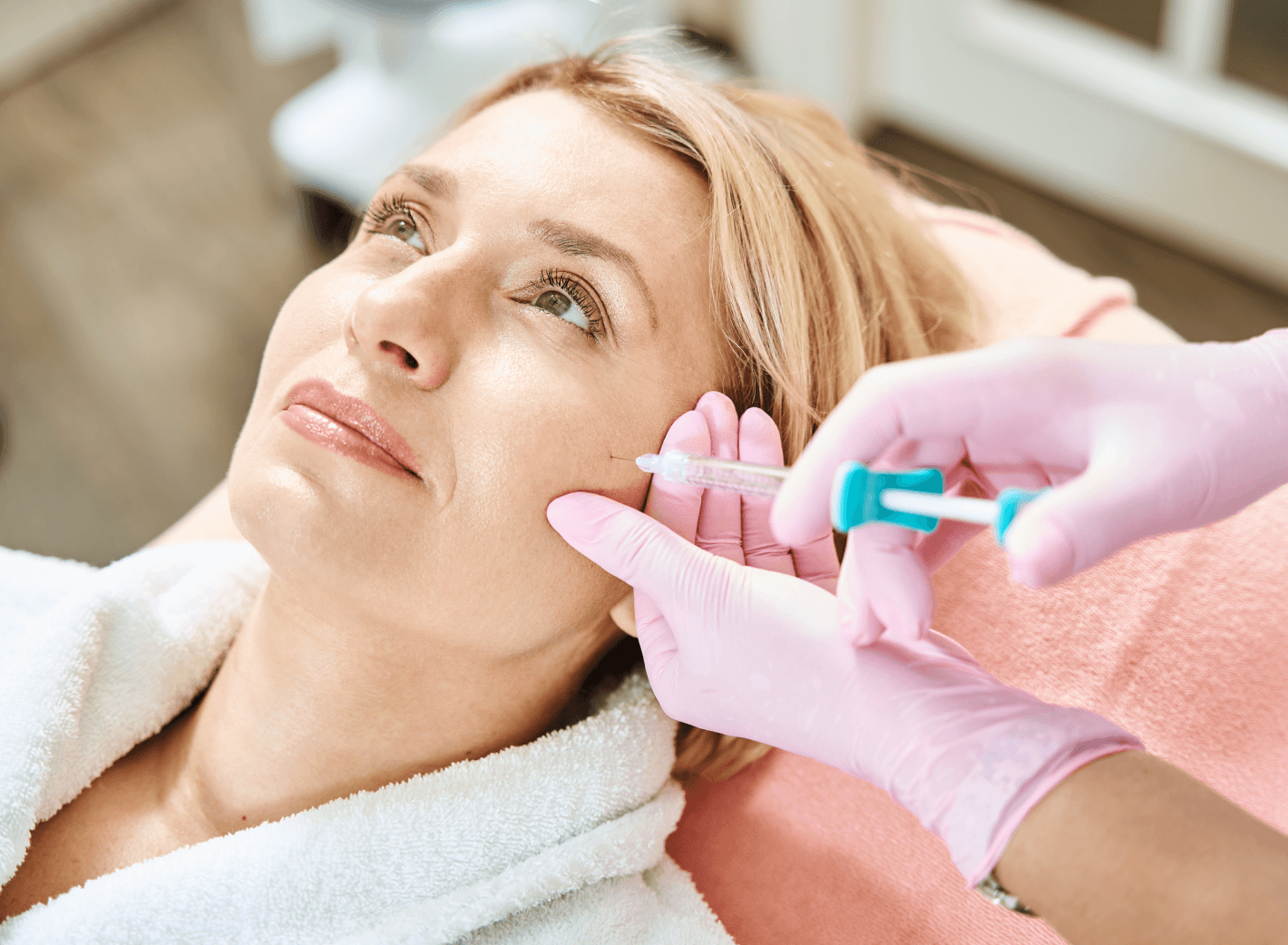
You might see improvement right after treatment, but the first look isn’t the last look. For a few days, swelling can make areas look fuller, and bruising can happen depending on the area and how sensitive your skin is.
The filler also needs time to blend in so that the surface looks smoother and more stable. With Dr. Kevin Haddad, the goal is for your result to look good right away and then look even more natural as the tissues calm down and the filler mixes in.
Hyaluronic acid doesn’t last forever. The length of time it lasts depends on the type of product, how deep the injection is, how much the face moves, and the person’s metabolism. Some areas break down faster because they are always moving, while others stay corrected for longer.
One good thing about hyaluronic acid is that it can be reversed when it is clinically appropriate. Hyaluronic acid can often be changed or even dissolved if the correction is too strong, uneven, or just not what you expected. Dr. Kevin Haddad sees this as a safety feature, not just a choice, and uses it responsibly when he needs to.
hyaluronic acid fillers are generally well tolerated, but they are medical procedures and require proper technique. Typical short-term effects can include swelling, tenderness, redness, and bruising. Some areas, especially around the eyes, can swell more than patients expect, which is why careful planning matters.
More serious complications are uncommon but important to understand, including infection, nodules, asymmetry, and vascular events. Dr. Kevin Haddad prioritises prevention through precise anatomy-based injection, appropriate product selection, and conservative dosing. The goal is a result that is not only attractive, but also medically controlled.