
Restore volume, keep it natural.
Fat transfer, also called facial fat grafting, is a procedure that uses your own fat to add volume back to your face. The fat is usually taken from a small donor area and carefully injected back into specific areas of the face. Patients who want a softer, fresher look but don’t want the “puffy” look that can happen when volume is added without taking into account facial proportions choose this.
Many people think of “ageing” as volume shift. Over time, the cheeks, temples, and around the eyes can lose support, and the tissues lower down can look heavier because the upper and midface aren’t as “lifted” by volume.
When a lift is needed, fat grafting can’t take its place, but it can bring back the soft foundations that make the face look healthy and balanced. When volume is put in the right places, the face often looks calmer and less tired without looking like it’s been done.
Fat transfer works best for changes that are more about shape than tightness. It is able to:
Many patients also notice that their skin and surface look more “rested,” but the main goal is still structural: adding volume in the right places.
Even though the idea seems simple, the outcome depends on how well you control your technique at each step. First, fat is taken from a donor area using gentle methods that keep the quality of the fat. Then, it is processed and cleaned so that what is transferred is clean, consistent, and safe for placing on the face.
Finally, the fat is put in layers with small passes to make the blending smooth and increase the chances of long-term survival. This layered placement is very important. When you treat facial fat grafting like micro-sculpting instead of injecting one big pocket in one spot, it works best.
People usually choose donor sites based on how easy they are to get to and how useful they are, not because one area is “better” for the face. The goal is to get enough fat for the face while keeping the donor area private and making the recovery as easy as possible.
The most important thing is how well the fat is harvested and how carefully it is handled. When fat is handled carefully, the cells that are moved have a better chance of settling down and living in their new home.
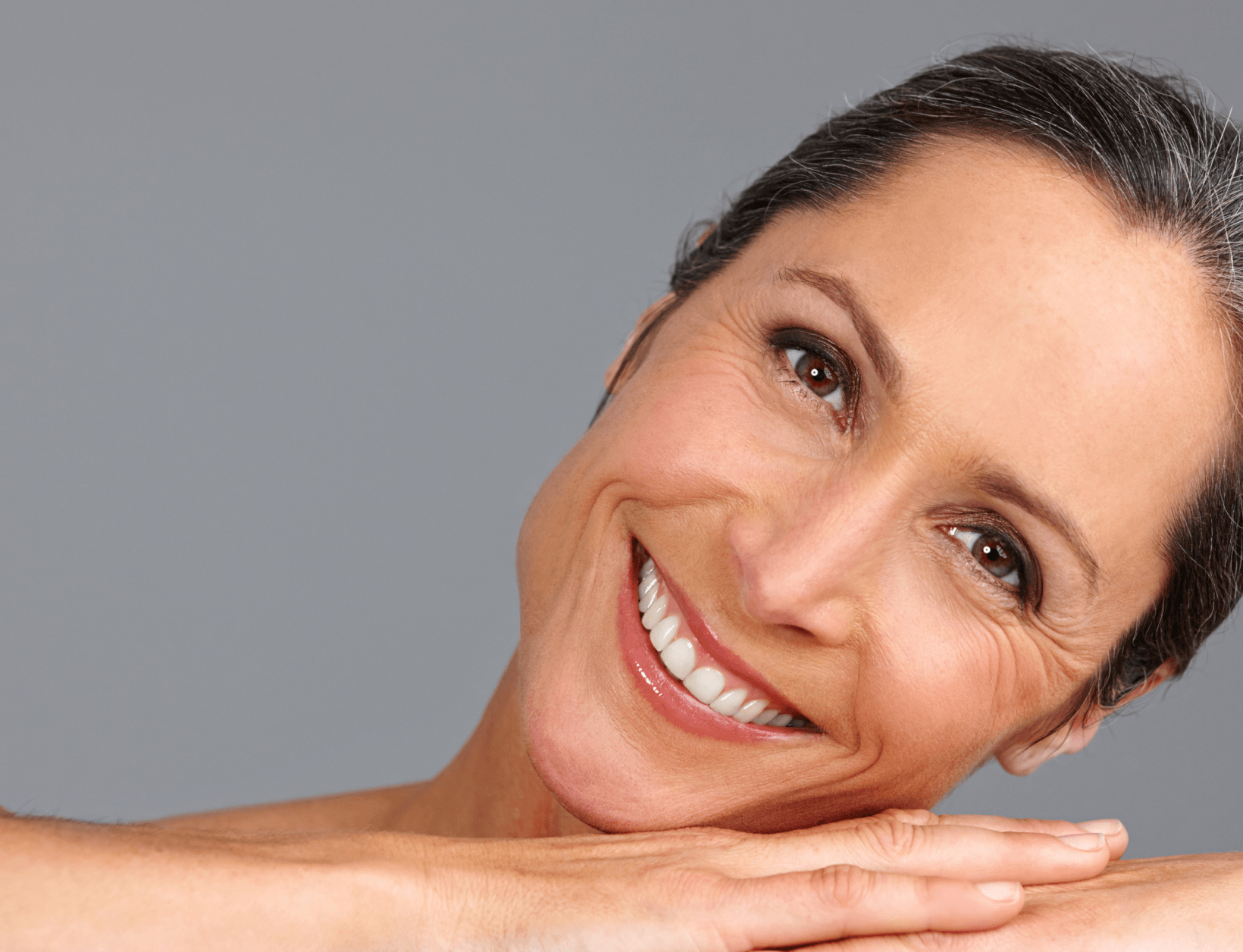
Fat grafting is most effective in areas that need soft, natural volume and blending rather than sharp definition. Dr. Kevin Haddad plans the face as a whole, because adding volume in one zone changes how nearby zones are perceived.
Common target areas depend on your anatomy and goals, but several regions respond particularly well to thoughtful fat placement:
The best plan isn’t “more volume everywhere”. It’s the right volume in the right layers, so the face looks smooth and naturally supported rather than inflated.
Facial fat grafting has a unique way of healing. At first, the swelling can make the face look fuller than it is, but then the result settles down and gets better. This is normal, which is why first impressions can be wrong.
As the tissues calm down and the grafted fat stabilizes, most patients feel a steady rhythm:
The plan is realistic from the start because some of the fat that is moved may not survive. The goal is not to get a “perfect” look right away in week one, but a stable, natural result.

Patients appreciate fat grafting for its potential to provide enduring volume; however, it is not a definitive “one-and-done” solution for every individual. The amount of fat that stays alive varies from person to person and from one area of the face to another. It depends on biology, technique, and how the tissues heal.
One session works well for some patients and gives them a big improvement. For some people, a second refinement session may be the best way to reach the final goal while still being safe and natural. Dr. Kevin Haddad’s planning puts stability ahead of filling up in one sitting.
Fat grafting is usually safe when done carefully, but it is still a very precise medical procedure. It is important to keep symmetry, stay away from lumps, and put fat safely in the right planes. It’s also important to choose the right procedure for the problem.
For example, if skin laxity is the main problem, a lifting procedure might be better, with fat grafting used as a way to make it better. When the goal is to achieve complete balance, fat grafting can be combined with other facial procedures in a strategic way. However, the combination should always be based on proportions, not “more of everything.”