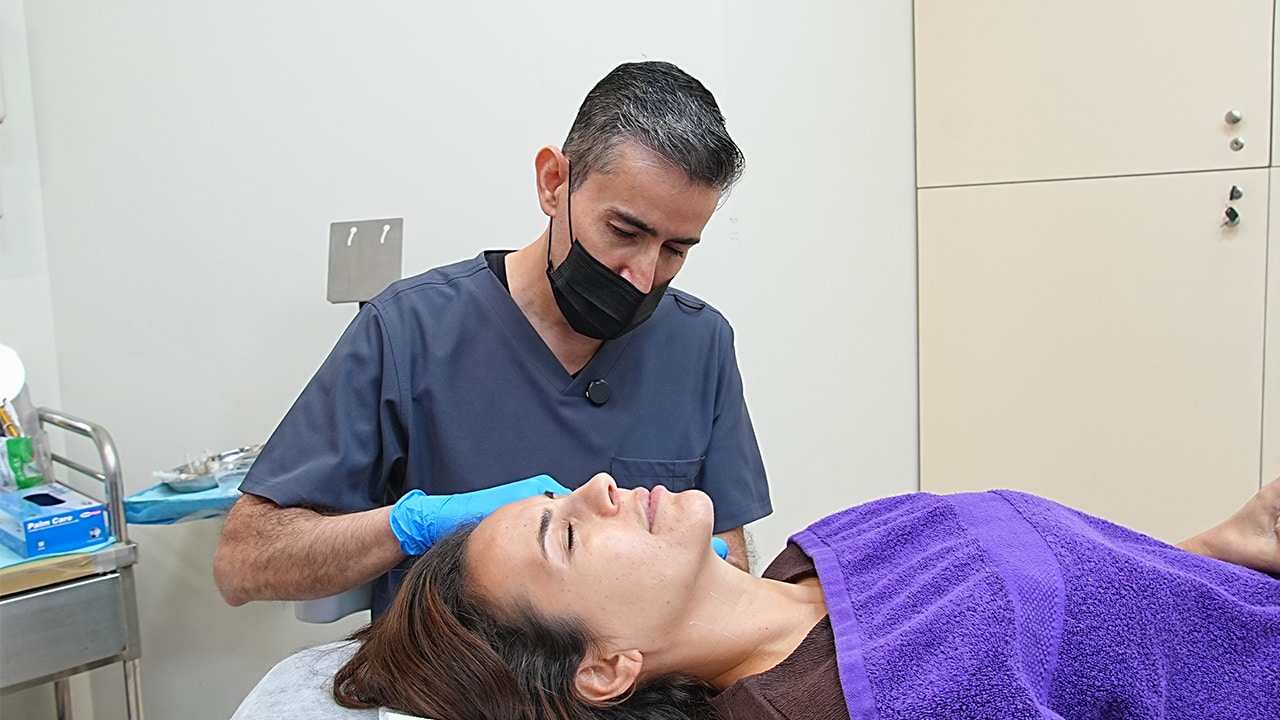
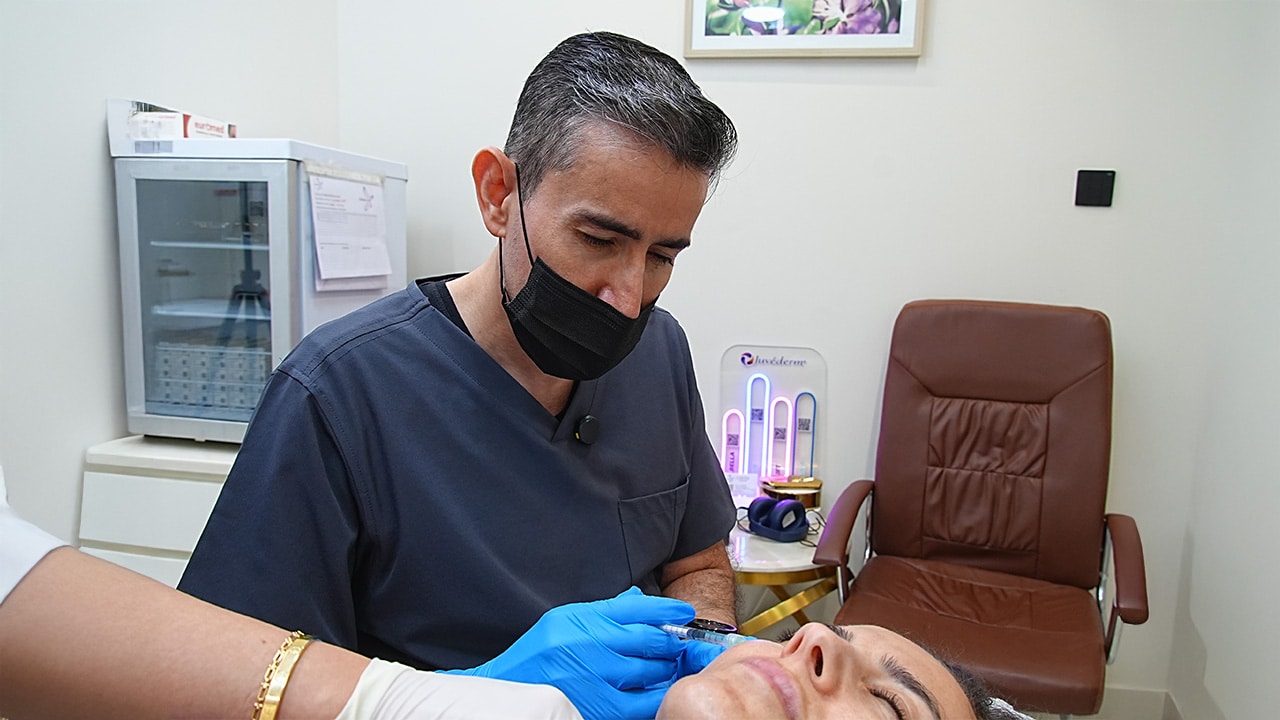
Very often, patients walk into the clinic and say: “I don’t want fillers, I want Sculptra.” “I’ve heard Radiesse is better than fillers.”
In many cases, this choice is influenced by short videos or trends on social media rather than a proper medical consultation. This is what happens when medical decisions are based on incomplete or random information. From the early days of my practice, filler was never used as a primary solution. Still, it is important to be fair fillers are not bad, and they remain essential in specific areas where collagen stimulators cannot replace them.
Difference One: How Results Appear
Fillers provide results that are visible almost immediately after swelling subsides, allowing real-time evaluation. This immediate feedback is a clear advantage in many situations. Sculptra and Radiesse work gradually. Their effects develop over weeks or months as collagen production increases. This timeline reflects biology, not inefficiency.
Difference Two: Where Each Treatment Is Used
Fillers are versatile and designed for multiple facial areas, each requiring a specific formulation.
Collagen stimulators are file more selective. Sculptra is mainly used in broader facial zones, while Radiesse is commonly used for the hands, neck, and selected facial areas. Neither should be injected in the lips, nose, or under the eyes.

Difference Three: Maintenance and Long-Term Planning
Fillers typically last six to twelve months, with repetition based on individual needs. Sculptra often requires multiple sessions spaced about 45 days apart. Radiesse may require two or three sessions depending on the degree of laxity. Both are designed for long-term skin support rather than immediate correction.
Difference Four: What Happens to the Skin
Fillers restore structure by filling specific spaces and can provide subtle lifting and hydration. Sculptra and Radiesse improve skin quality by stimulating collagen, thickening thin skin, and increasing resistance to sagging over time.
Final Advice
No treatment is superior in all situations. The correct choice depends on proper assessment, correct indication, and realistic expectations. Rather than requesting a product, patients should ask which option best suits their needs. Medical judgment, not trends, should guide aesthetic decisions.