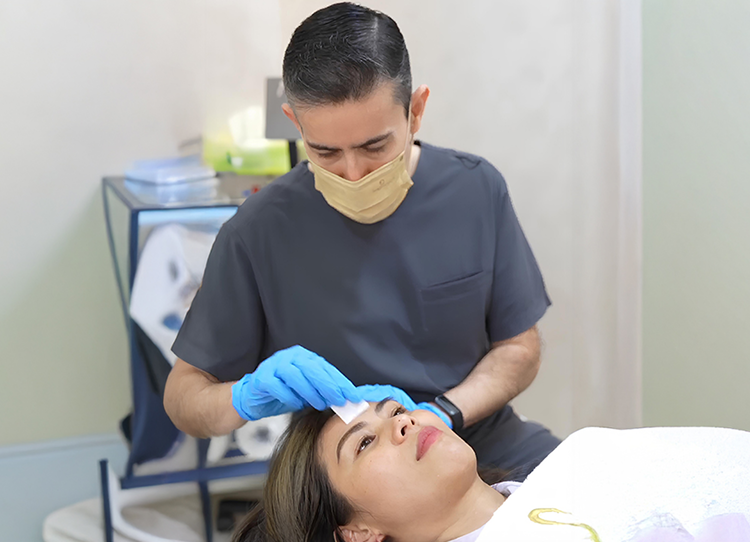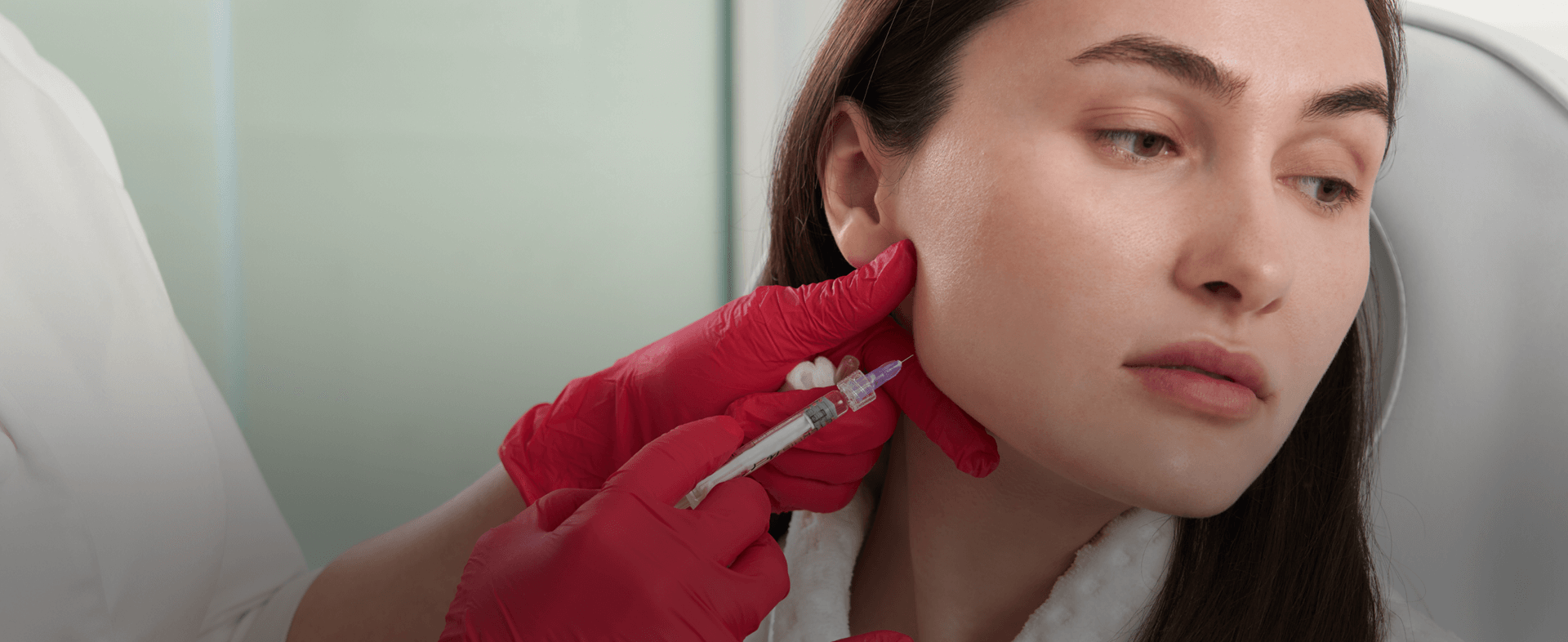
In aesthetic dermatology, polynucleotides are used to make the skin behave better, not to change the shape of the face. When patients’ skin looks tired, thin, or less elastic and they want a fresher look that still feels natural, they usually choose this treatment. This is especially important for places where filler can make the face look puffy or change the balance of the face.
Some treatments are not meant to change your face; they are meant to change how your skin works. Dr. Ahmad Othman at Derma One Aesthetic Center suggests polynucleotides as a way to improve skin health and give it a soft, natural look instead of something dramatic.
People usually ask for polynucleotides when their skin feels less firm, has small changes in texture, or looks dry even though they take good care of it. The value is in making the skin’s “quality layer” better by adding moisture, smoothness, and elasticity. This is a popular choice for patients who want to see improvement but don’t want to add volume or a dramatic “done” look.
This treatment tends to make the most sense in areas where skin is delicate and quality matters more than contour. In practice, it is often used in:
Polynucleotides are not made to give an instant “filled” effect. The improvement usually happens slowly and becomes more obvious as the skin settles and the changes in quality build up. Many patients notice that their skin feels more hydrated and looks a little smoother at first. Over the next few weeks, the texture becomes more consistent and the skin looks more rested.
Most people would say that the difference is more like “healthier skin” than “different features,” which is why patients choose this category.

Because polynucleotides are given in small doses, it is normal for them to take some time to settle. Most patients have short-term effects that go away quickly, such as:
These early signs usually don’t last long and don’t show the final result.
Others shouldn’t be able to tell that a successful polynucleotide result is a “procedure.” The best result is skin that looks more even, is better hydrated, and is smoother, while your face still looks like your face. Most of the time, improvements are most noticeable in everyday light.
The skin looks smoother, the under-eye area looks less crepey, and the overall finish looks calmer and healthier. Dr. Ahmad Othman at Derma One Aesthetic Center keeps the focus on balance and realism, which keeps the result subtle and classy.