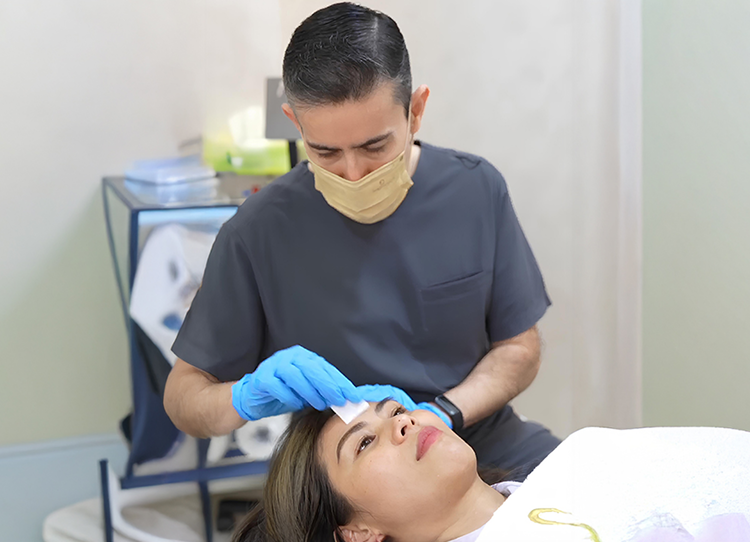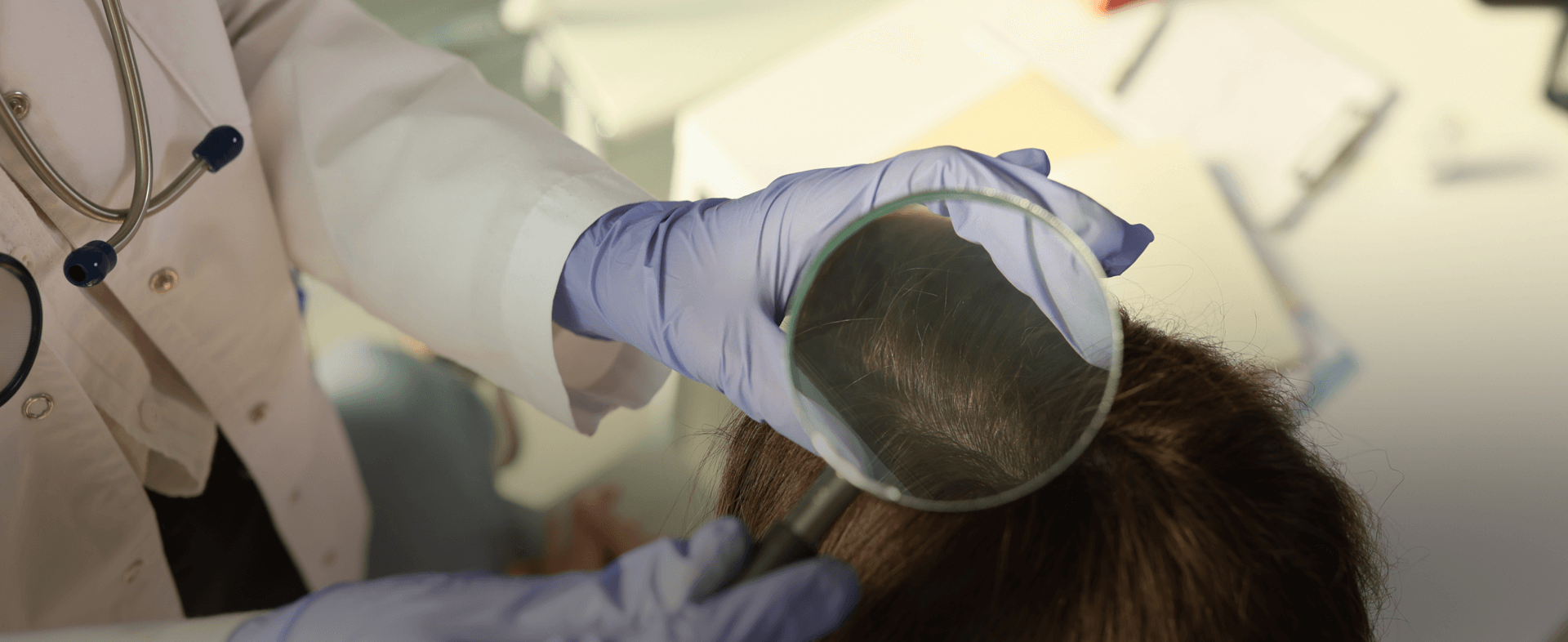

While hair thinning and shedding may appear similar, their underlying causes can be entirely distinct. Stress, recent illness, rapid weight change, thyroid imbalance, nutrient depletion, and hormonal shifts can all disrupt the hair cycle.
Lab tests can help you figure out which of these factors may be affecting you, so your plan is based on facts, not guesses. Dr. Ahmad Othman at Derma One Aesthetic Center uses lab results to link your hair loss pattern to the most likely underlying causes that can be treated.
A well-chosen lab panel can show problems that are easy to miss, even with the best hair products and supplements. Results may show low iron stores (often shown by ferritin), vitamin and micronutrient deficiencies, thyroid problems, inflammation-related markers, or hormonal patterns that can affect hair loss and scalp health.
This clarity can also help you tell the difference between short-term shedding triggers and longer-term pattern thinning that needs a structured program.
Lab results often help patients make sense of why hair has changed, especially when it feels sudden or persistent. Two frequent findings include:
Dr. Ahmad Othman explains what is clinically significant and what is not once the results are in. He then plans the next steps. This may include fixing specific problems, giving medical care when necessary, and making a personalized plan for the clinic to help hair grow back stronger. Depending on the diagnosis and how far along the hair loss is, treatments like PRP/PRF or scalp-support protocols can be added if they are needed.
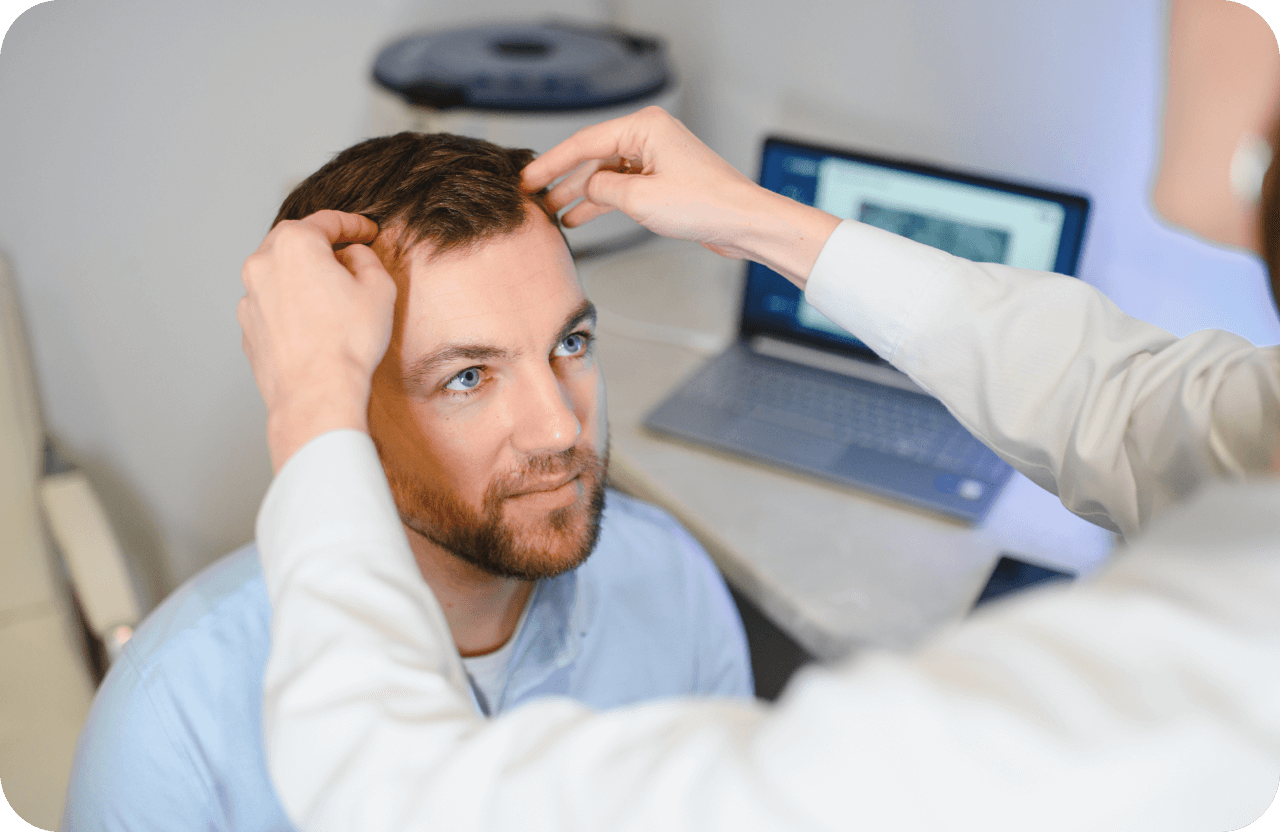
This service is especially helpful if your shedding is widespread, lasts longer than a few months, gets worse quickly, or happens with fatigue, weight changes, or other systemic symptoms. It’s also a great place to start if you’ve tried supplements or topical products without seeing any clear results and want a more organized, measurable way to do things.
Hair regrowth improves when the underlying drivers are addressed early and properly. At Derma One Aesthetic Center, Dr. Ahmad Othman uses lab diagnostics to establish a clear baseline, identify correctable factors, and build a plan that supports healthier hair cycles with realistic, trackable progress.