When skin feels “slower” than it used to—dull, uneven, easily irritated, or taking longer to bounce back after treatments—helping it heal can be just as important as treating the surface. Exosome therapy is a skin-support method used in cosmetic dermatology to promote healthier-looking renewal and a calmer recovery without adding volume or changing the shape of the face.
Dr. Ahmad Othman only uses exosome protocols at Derma One Aesthetic Center when they are the best option for your skin type and the results you want. The focus stays on choosing candidates wisely, using the right techniques, and being clear about what is expected. This way, the results are better, more realistic, and in line with safety first.
Regenerative skin support designed to refine texture, calm stressed skin, and enhance radiance with a natural finish
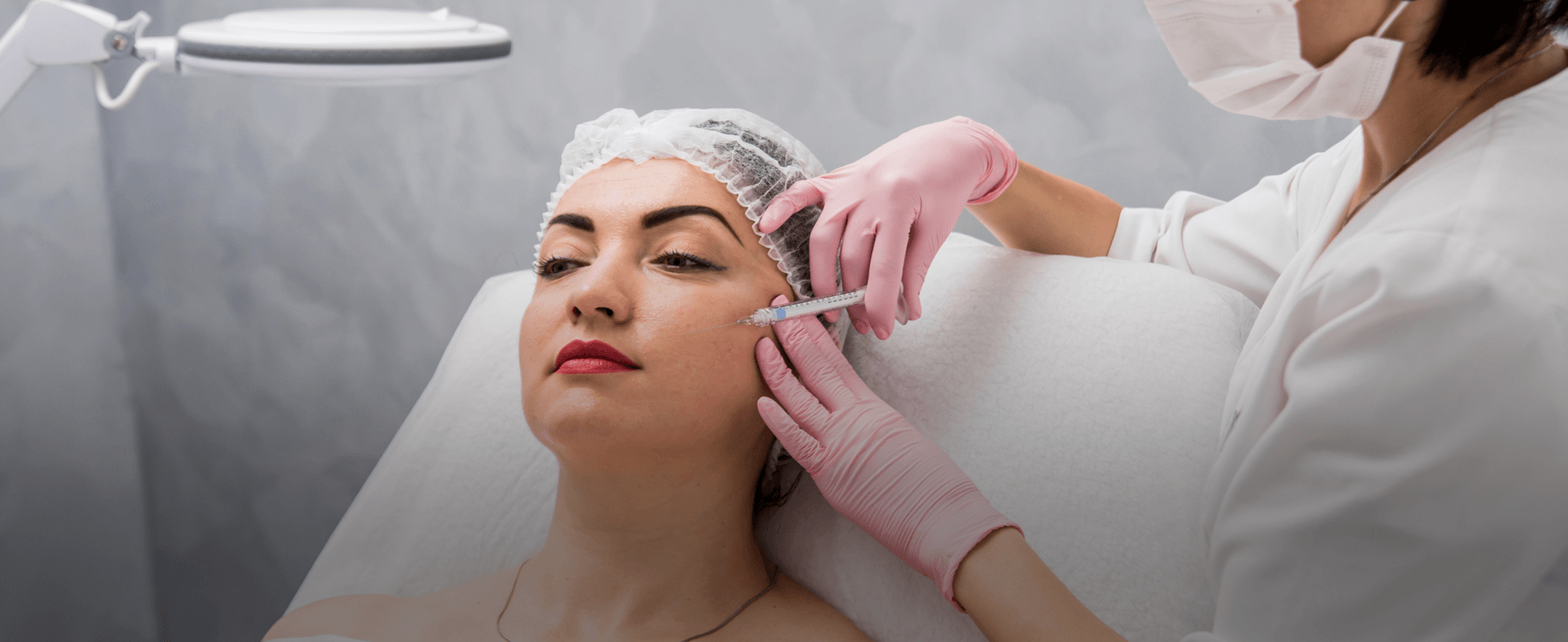
Exosomes are most commonly used alongside microneedling because microneedling creates controlled micro-channels in the skin, which supports better absorption and a stronger overall rejuvenation response. This combination is often selected by patients who want visible improvement in texture and skin behaviour but prefer a non-surgical plan and manageable downtime.
Protocols that use exosomes are often chosen to improve the overall quality of the skin, especially when patients want small changes instead of big ones. They may help improve the look of uneven texture, skin changes after acne, enlarged pores, fine lines, dull tone, and early loss of firmness, depending on how well they work for you.
Dr. Ahmad Othman will check your skin type during your assessment at Derma One Aesthetic Center to see if this method is right for you. He will also see if another treatment or a combination plan would work better.
Exosome treatment is typically planned for the face and can be considered for other areas where texture and skin quality are concerns, such as the neck or targeted zones with uneven surface appearance. Treatment planning is always adjusted for skin thickness and sensitivity, especially in delicate areas.
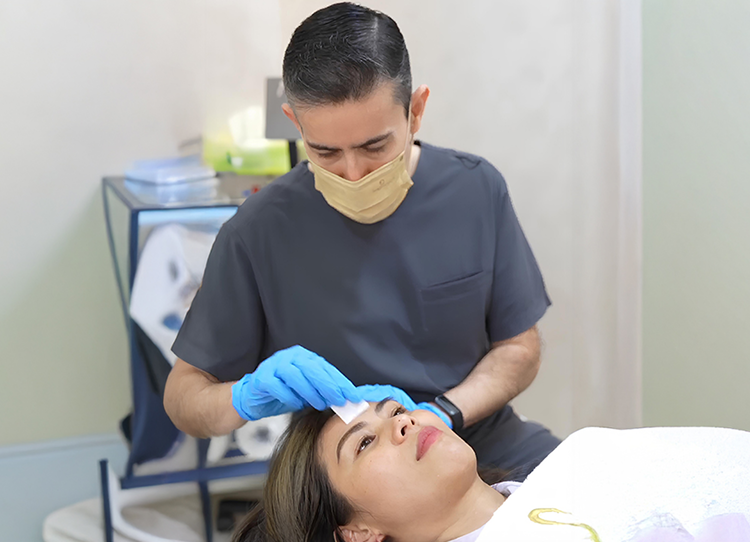
The session includes controlled microneedling and then careful application of the exosome solution. Afterward, you can expect temporary redness, warmth, and mild sensitivity, just like with regular microneedling recovery. Most patients like the downtime because their skin gets better over the next few days.
Aftercare is all about keeping the skin barrier safe and avoiding irritation so that the skin heals properly and the results settle in well. Your skin type and the level of intensity of the session will affect how you are guided.

Exosome protocols are made to get better over time. Many patients notice that their skin looks brighter and more awake right away, and then it gets smoother and more refined over the next few weeks. If the problem is more serious, like acne scars, a course may be suggested for real improvement.
Dr. Ahmad Othman will tell you how long the treatment will take and how many sessions you may need at Derma One Aesthetic Center, based on the condition of your skin when you first come in.