March 15, 2023
March 15, 2023
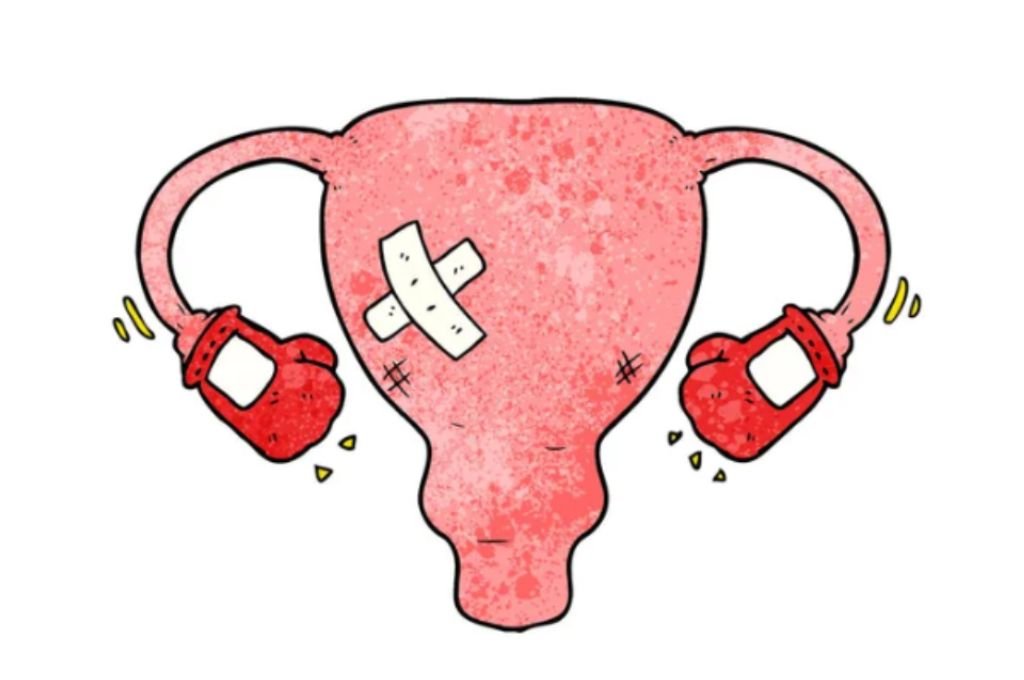
March marks Endometriosis Awareness Month, I myself have both Endometriosis & Adenomyosis and want to raise awareness of this issue that effects the health & wellbeing of so many women.
Endometriosis is a long-term condition which sees tissue similar to the lining of the womb grow in other parts of the body, generally on organs in the pelvic cavity such as the ovaries, fallopian tubes and bowel. Each month these cells react in the same way to those in the womb, building up and then breaking down and bleeding. Unlike the cells in the womb that leave the body as a period, this blood has no way to escape.
In the UK, around 1.5 million women and those assigned female at birth are currently living with the condition, regardless of race or ethnicity. Endometriosis can affect you from puberty to menopause, although the impact may be felt for life. It can be painful and may have a devastating impact on a woman’s education, personal and professional relationships, mental health, and quality of life.
During the menstrual cycle, the body goes through hormonal changes each month. Hormones are naturally released which cause the lining of the womb to increase in preparation for a fertilized egg. If pregnancy does not occur, this lining will break down and bleed – this is then released from the body as a period.
In endometriosis, cells similar to the ones in the lining of the womb grow elsewhere in the body. These cells react to the menstrual cycle each month and also bleed. However, there is no way for this blood to leave the body. This can cause inflammation, pain and the formation of scar tissue.
Some common symptoms of endometriosis are:
You may also have heavy periods. You might use lots of pads or tampons, or you may bleed through to your clothes.
Endometriosis can have a significant impact on a person’s life in a number of ways, including:
The skin is the body’s largest organ, and hormonal imbalances can have a direct impact on its condition. For some, endo can cause the skin to become sensitive, as those who suffer from it have inflammation in their bodies. In addition, hormones help regulate sebum production, and any excess can result in acne.
Lastly, if you choose to take hormonal birth control to manage endo symptoms (sometimes prescribed by doctors for this reason), this can also affect your skin.
Endometriosis is the gift that just keeps on giving when it comes to skin conditions! In fact, if you have endo you have a higher chance of developing one of the below conditions:
Endometriosis Awareness Month launches to tackle the fact 54% don’t know about endometriosis. This lack of awareness is also contributing to those suffering not receiving the right care at the right time – and these statistics must be a wake-up call.
This March, Endometriosis UK, is calling for the public, healthcare professionals, policymakers, workplaces, and charities to come together to raise public awareness of the condition, its symptoms, and the impact it has on people’s lives.
For more information, please see Ending endometriosis starts by saying it | Endometriosis UK (endometriosis-uk.org)
If you are suffering from any of the skin conditions associated with Endometriosis, please feel free to book a free skin consultation where you can discuss your symptoms & possible treatment options with a skin specialist.