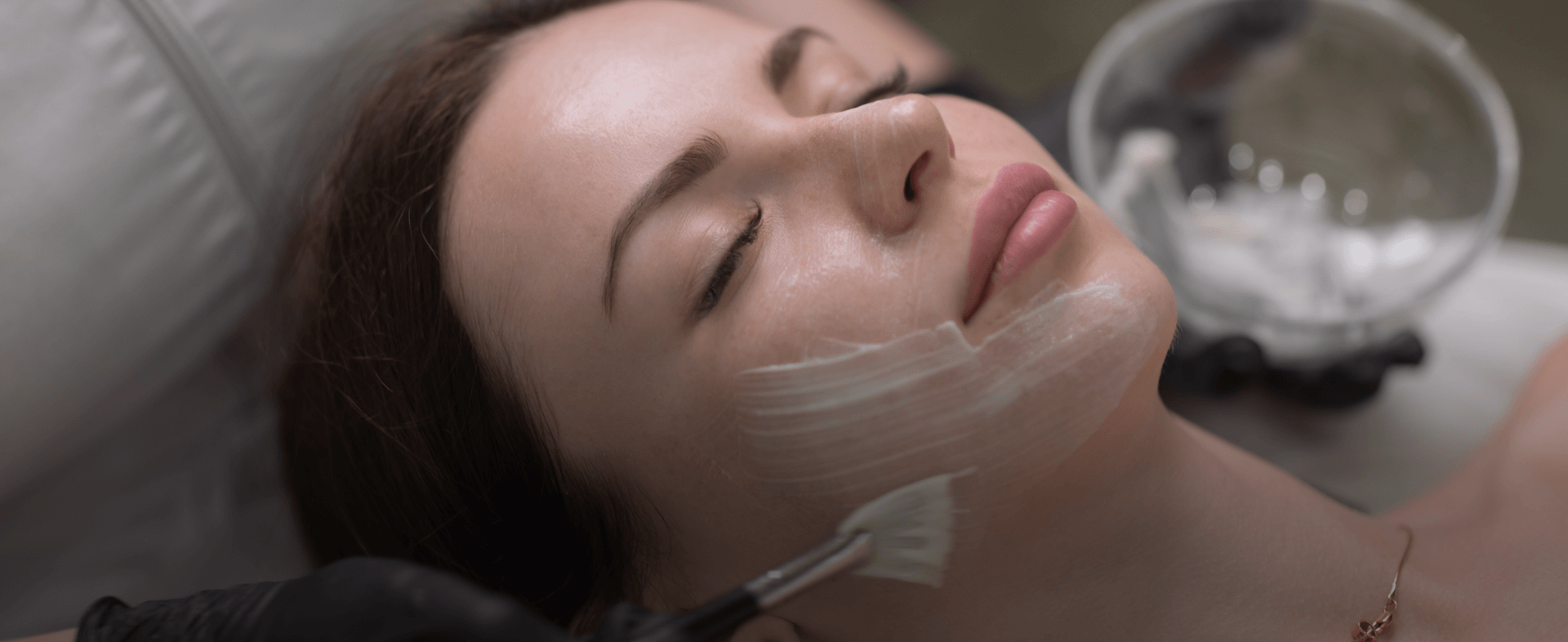
Chemical peels are still one of the best ways to make skin clearer and smoother when skincare alone doesn’t work. The idea is simple: a carefully chosen solution is put on the skin to exfoliate it at a controlled depth. This helps the skin renew and show more even, fresh-looking skin.
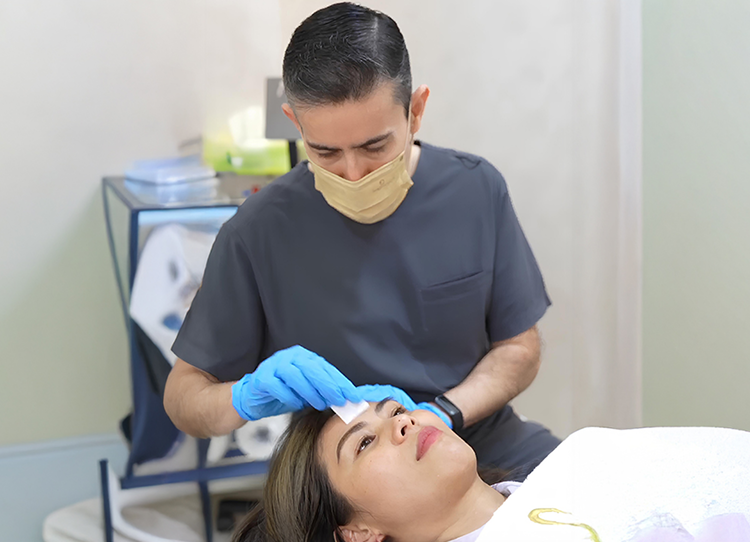
Dr. Ahmad Othman at Derma One Aesthetic Center picks the type and depth of the peel based on your skin tone, how sensitive it is, how likely it is to get pigmented, and what you want to improve. The most important thing is to see progress while recovering safely.
A controlled resurfacing treatment to brighten tone, smooth texture, and reset skin clarity
If you want your skin to look clearer and smoother, chemical peels are a great choice. People often use them to help with uneven tone and dullness, clogged pores, acne-prone skin, post-acne marks, rough texture, and early fine lines. When planned correctly for your skin type, some peels can also help improve pigmentation.
During your visit to Derma One Aesthetic Center, you will learn which issue is realistic to address with a peel and whether combining it with other treatments would give you a better result.
There are different kinds of peels. Some are made to brighten the skin gently and with little downtime. Some go deeper to improve texture or pigmentation more noticeably, but they take longer to heal.
Dr. Ahmad Othman at Derma One Aesthetic Center chooses the intensity that works best for your skin and your schedule. The goal is never to “over-peel” skin. The goal is to make the skin better without causing extra irritation or pigmentation problems..
After a chemical peel, it is normal to experience redness, tightness, and varying levels of flaking or peeling, depending on the depth. Some patients experience only mild dryness, while others peel more visibly for several days.
You will receive clear aftercare guidance at Derma One Aesthetic Center, because aftercare is what protects results and keeps healing clean. Sun protection is especially important after peels, as freshly treated skin is more sensitive.
After the first peel, many patients notice that their skin looks brighter and smoother. As the skin heals, the pores become clearer and the texture gets better. For problems like acne scars, pigmentation, or ongoing congestion, a series of sessions is often suggested to gradually and safely build up consistent improvement.
Based on how your skin reacts and the depth you choose, Dr. Ahmad Othman will tell you how long you should wait between sessions and how long you should expect to wait.

Peels are easy to understand, but not easy to plan. The safety and outcome depend on your skin type, how much pigmentation you have, whether you have active acne inflammation, how sensitive your skin is, and what skincare products you are currently using.
Dr. Ahmad Othman at Derma One Aesthetic Center makes sure that the peel is right for your skin type and that you know what to expect before, during, and after the treatment. This way, your results will look smooth, even, and natural.