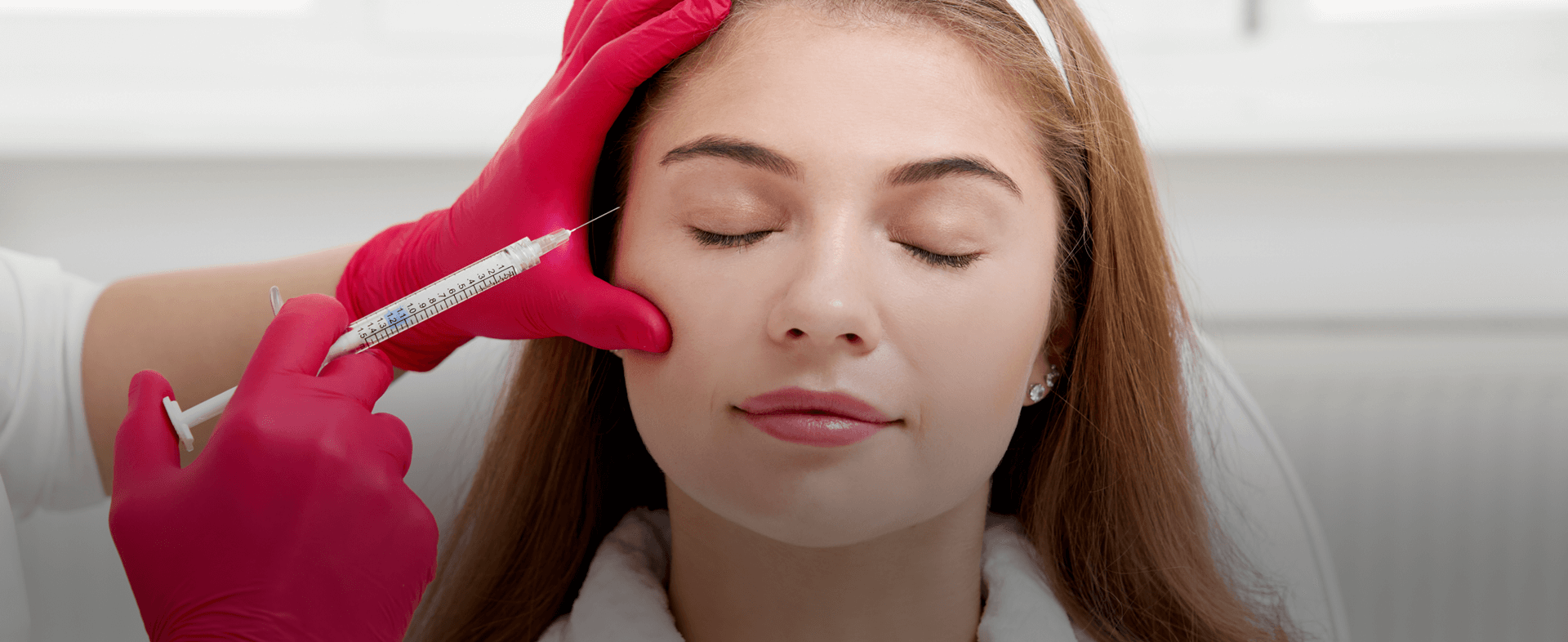
Microneedling makes tiny channels in the skin that start the body’s natural healing process. PRP (platelet-rich plasma) is a common way to help with this recovery because it gives you growth-factor-rich plasma from your own blood. Exosome-based support is often seen as an extra way to improve skin quality and recovery. Patients who want more than a regular “glow facial” and prefer changes that look natural and consistent in real life usually choose this protocol.
Healthy skin, not “treated skin,” should be the result of a good treatment. Dr. Ahmad Othman at Derma One Aesthetic Center makes sure that the intensity is just right so that the skin gets better without getting too much irritation. The center’s goal is to give people a polished look, not an overdone one.
People usually choose this treatment for problems with “skin quality” rather than “facial volume.” It is often thought about when patients have skin that looks tired even with good skincare, texture problems, visible pores, post-acne marks, or early fine lines.
This protocol is not meant to take the place of stronger resurfacing for deep acne scars. However, when done as a course, it can make a big difference in how smooth and radiant your skin looks overall.
A small number of patients ask for PRP and exosome microneedling for the same problems over and over again. In the clinic, it is often used for:
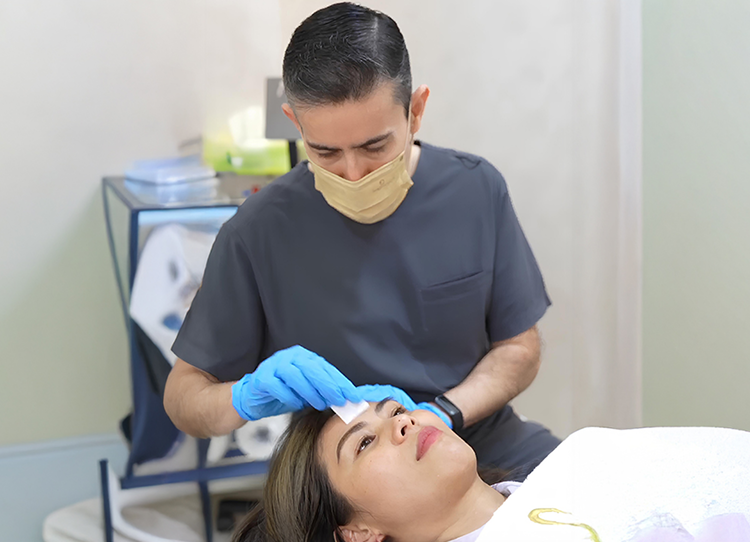
The session usually goes in a set order: preparing the skin, doing controlled microneedling, and then putting on PRP and exosome support as part of the protocol. Comfort measures are used as needed, and the level of intensity is changed based on the area (face, neck, or other chosen zones) and how sensitive your skin is.
Most patients say the feeling is bearable, with warmth or mild stinging during treatment and a tight, “sun-exposed” feeling afterward.
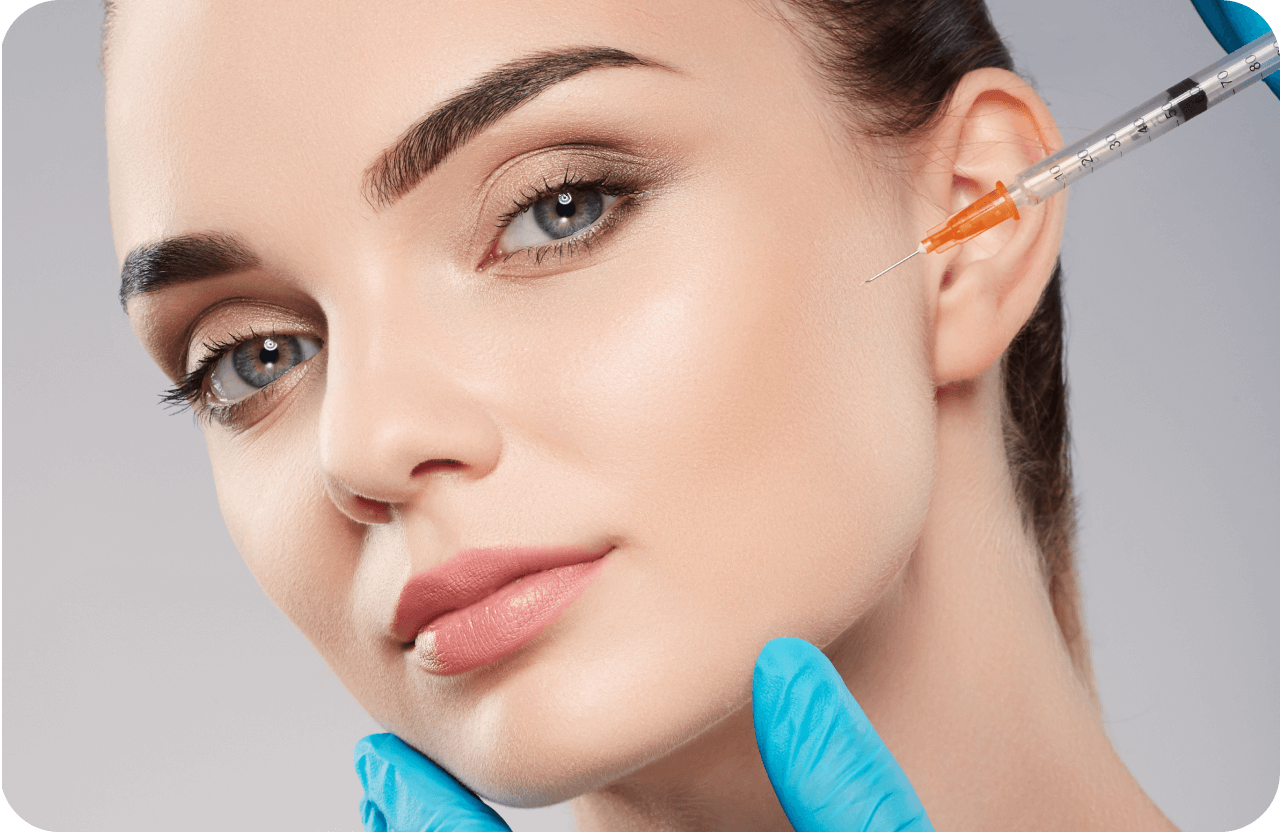
Don’t judge the result on the same day. It’s normal for the area to be slightly red, warm, and sensitive right after the procedure. Some patients may also notice a little swelling. Depending on how strong the peeling is, it can happen as the skin heals. Once the redness goes away, the skin usually looks better, and it keeps getting better as the collagen renewal process continues over the next few weeks.
You might feel confused during that “in-between” time, so you don’t have to guess. Dr. Ahmad Othman at Derma One Aesthetic Center makes it clear what to expect during the settling period, so you know what’s normal, what’s not, and when to check in.
A lot of patients see an early glow once their skin calms down, and then the texture gets better over the course of weeks. For marks and pores left over from acne, a short course usually works better than just one session. Most of the time, the changes are small but noticeable.
They look better in natural light and when you’re not wearing makeup. How often you need to maintain your skin depends on your goals, your lifestyle, and how quickly your skin tends to lose its glow or get clogged up.